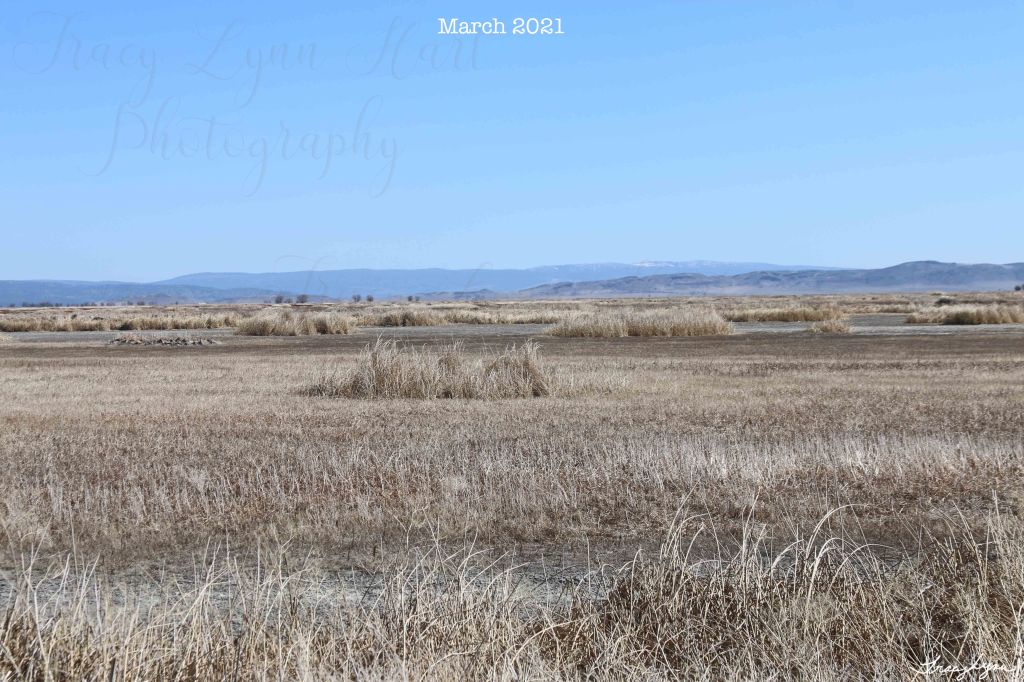
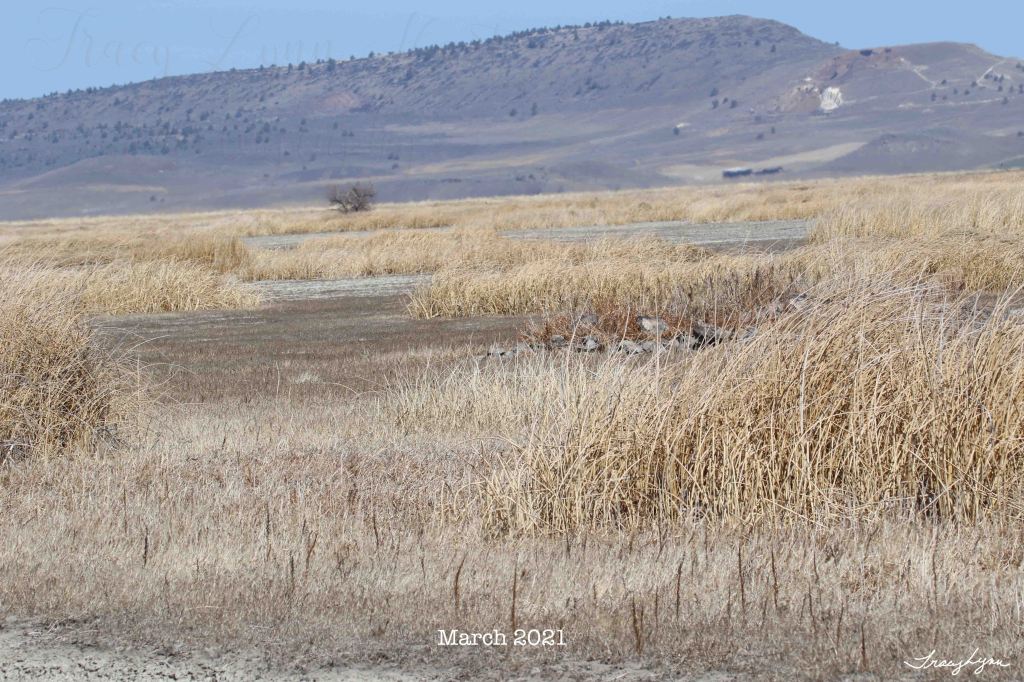
It has been a while. I believe a few years. My last post was a pretty depressing one about the death of our two local National Wildlife Refuges. It was sad… It was devastating. In the years since that post, the refuge saw years of absolutely NO water! Horrible infestations of grasshoppers, no large flocks of migrating birds.
Enter Spring of 2024. Incoming water. Both on the Tulelake National Wildlife Refuge and the Lower Klamath National Wildlife Refuge.
Spring was in the air. I shed a tear when I saw the water coming into both refuges.
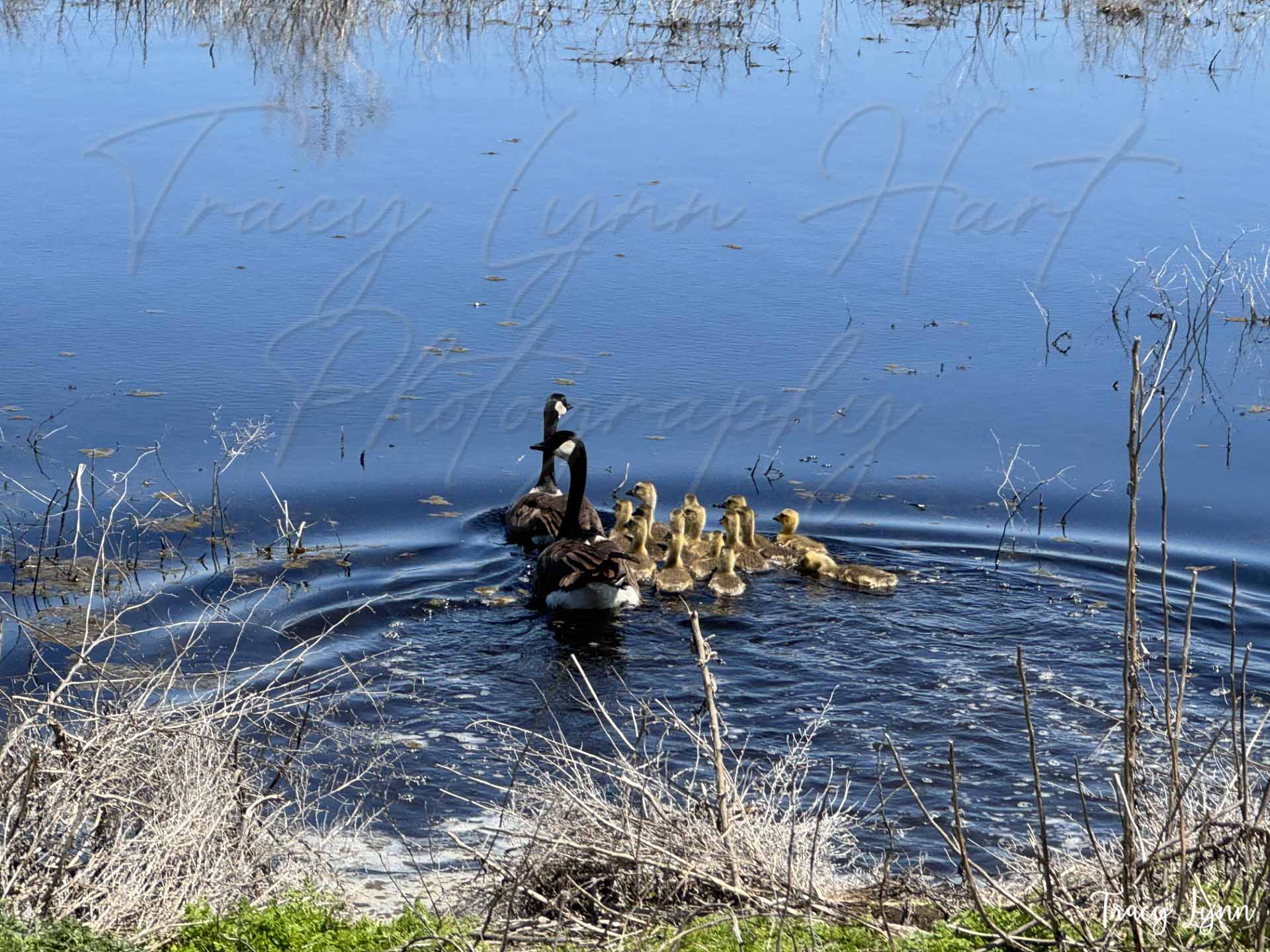
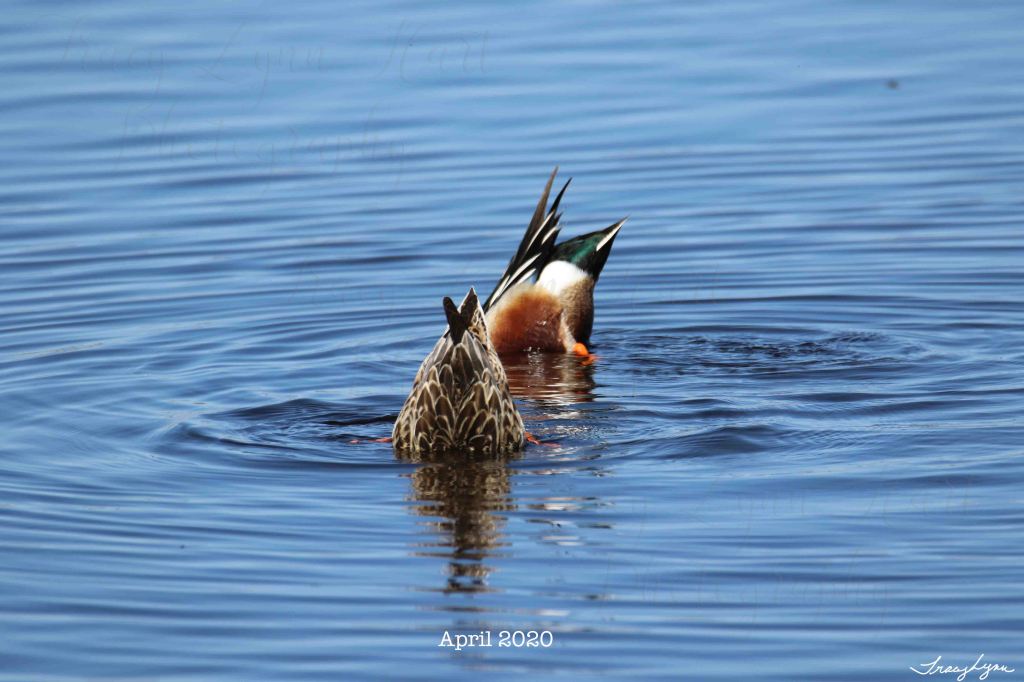
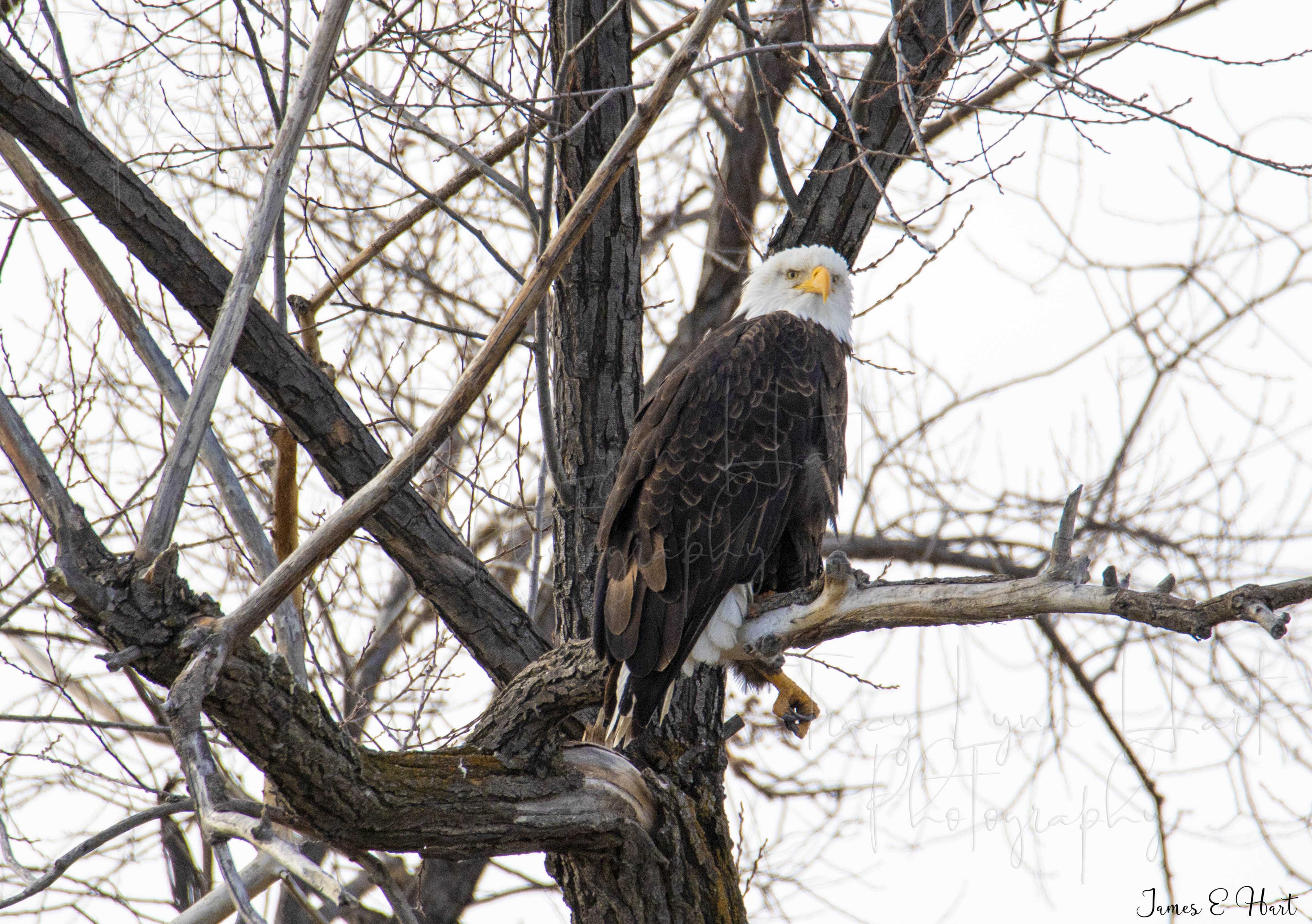
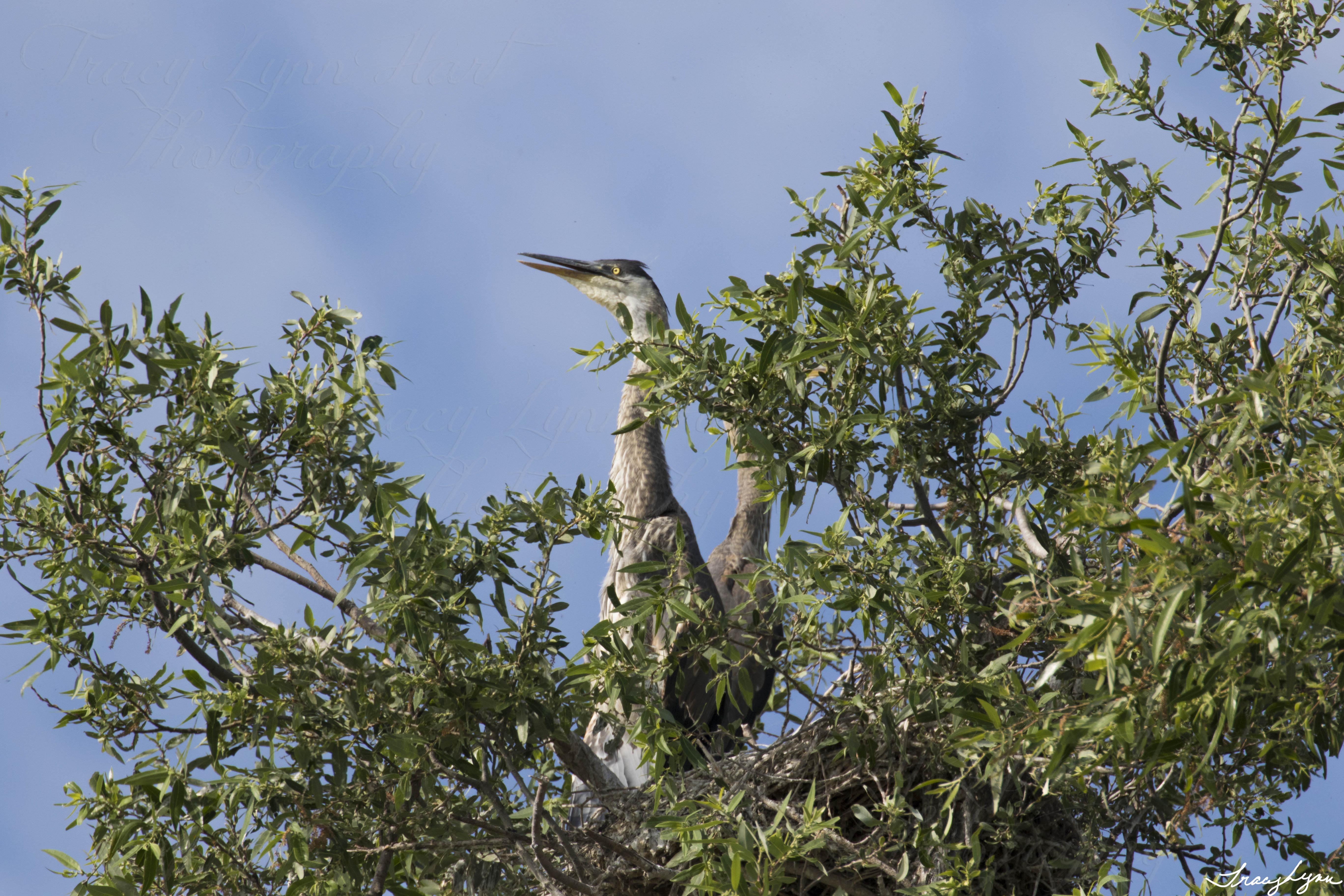
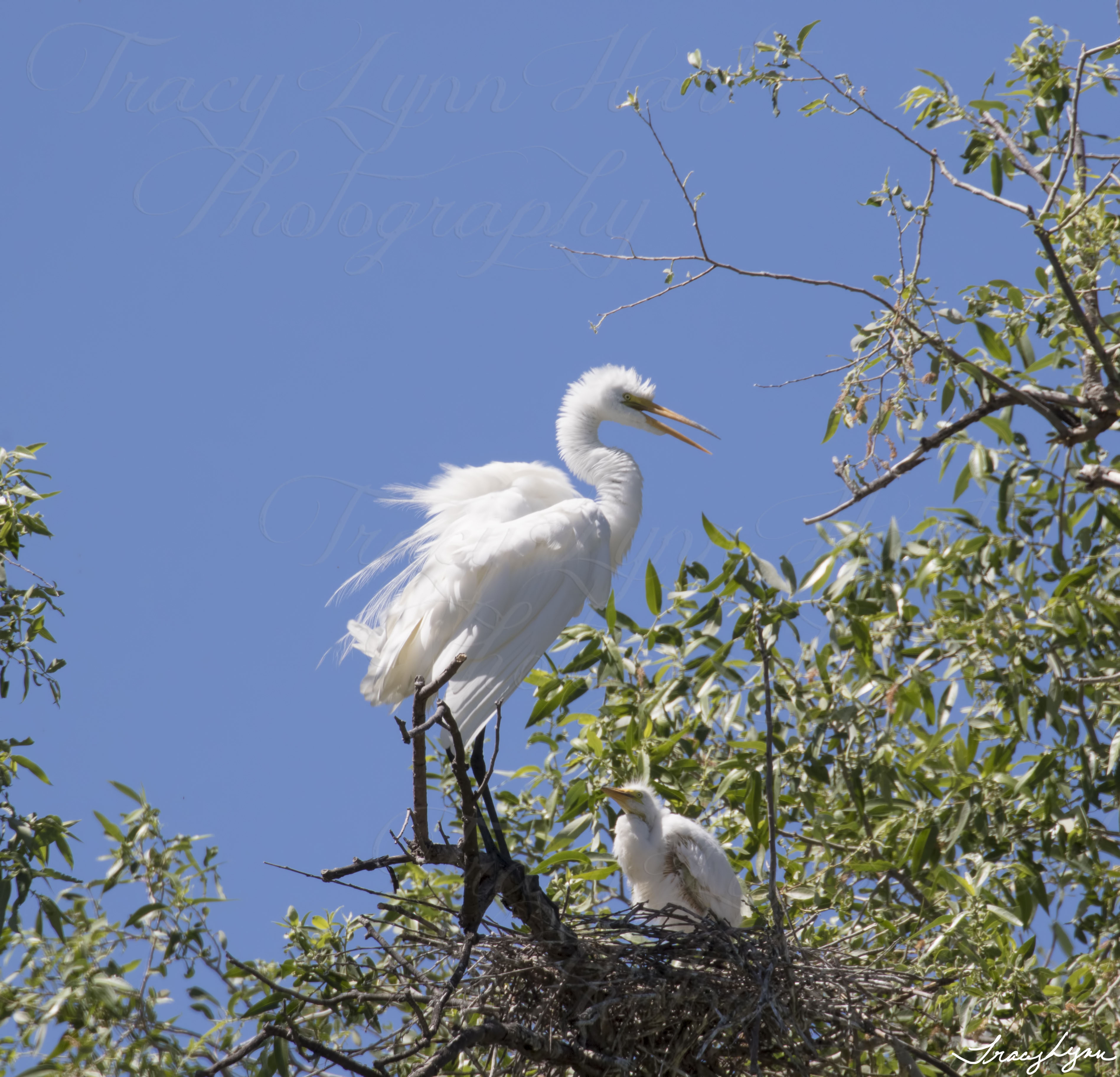
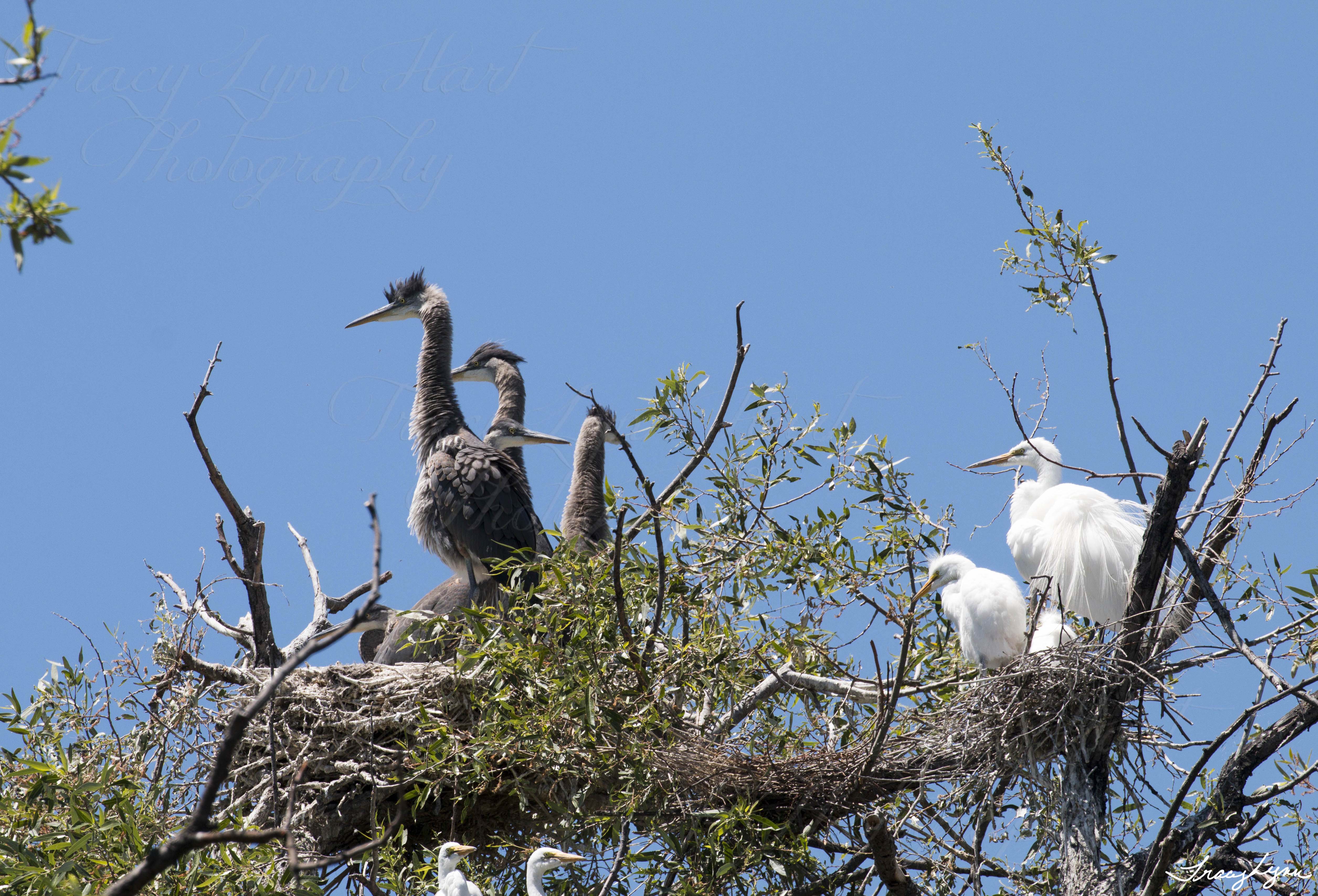
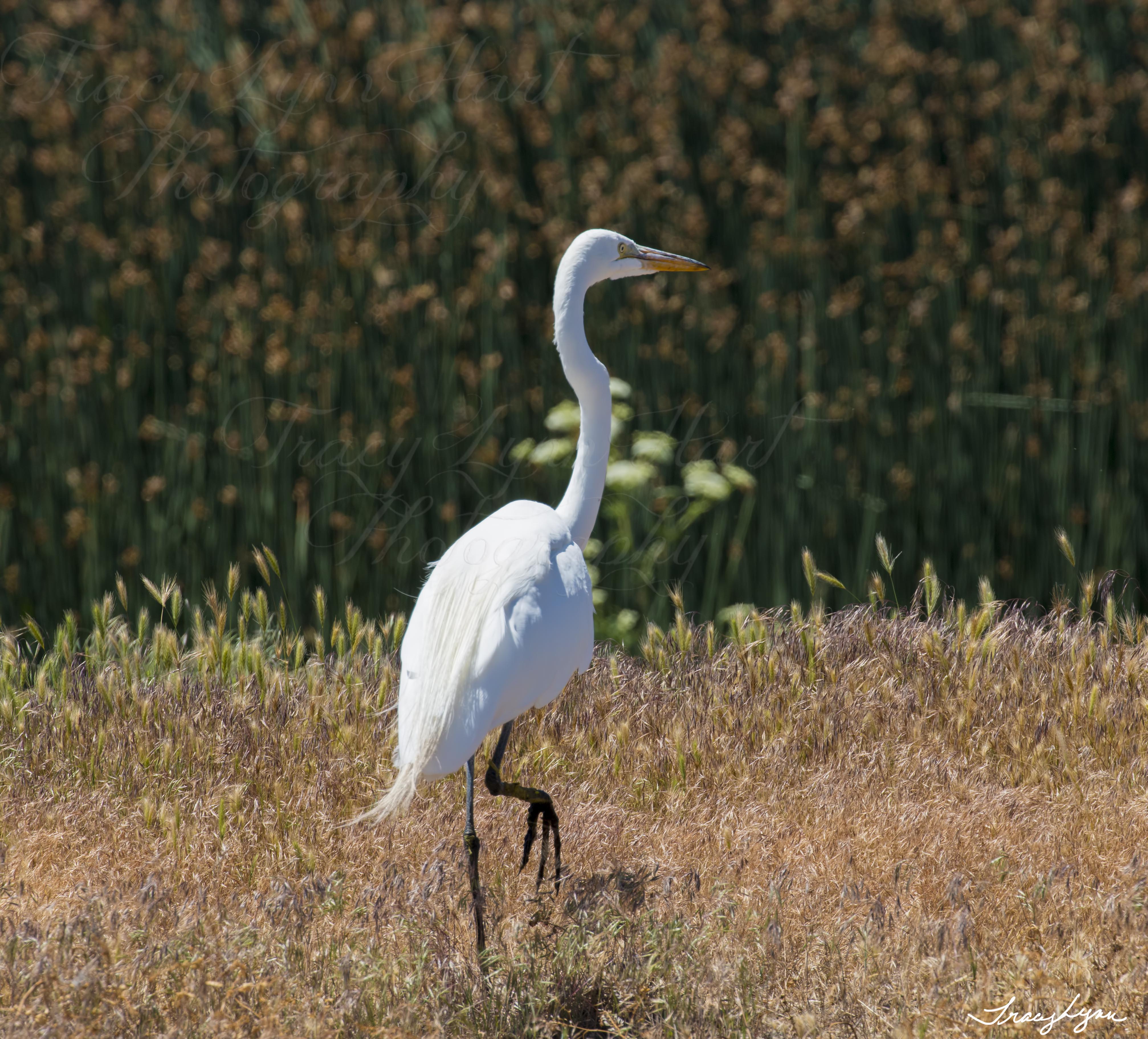
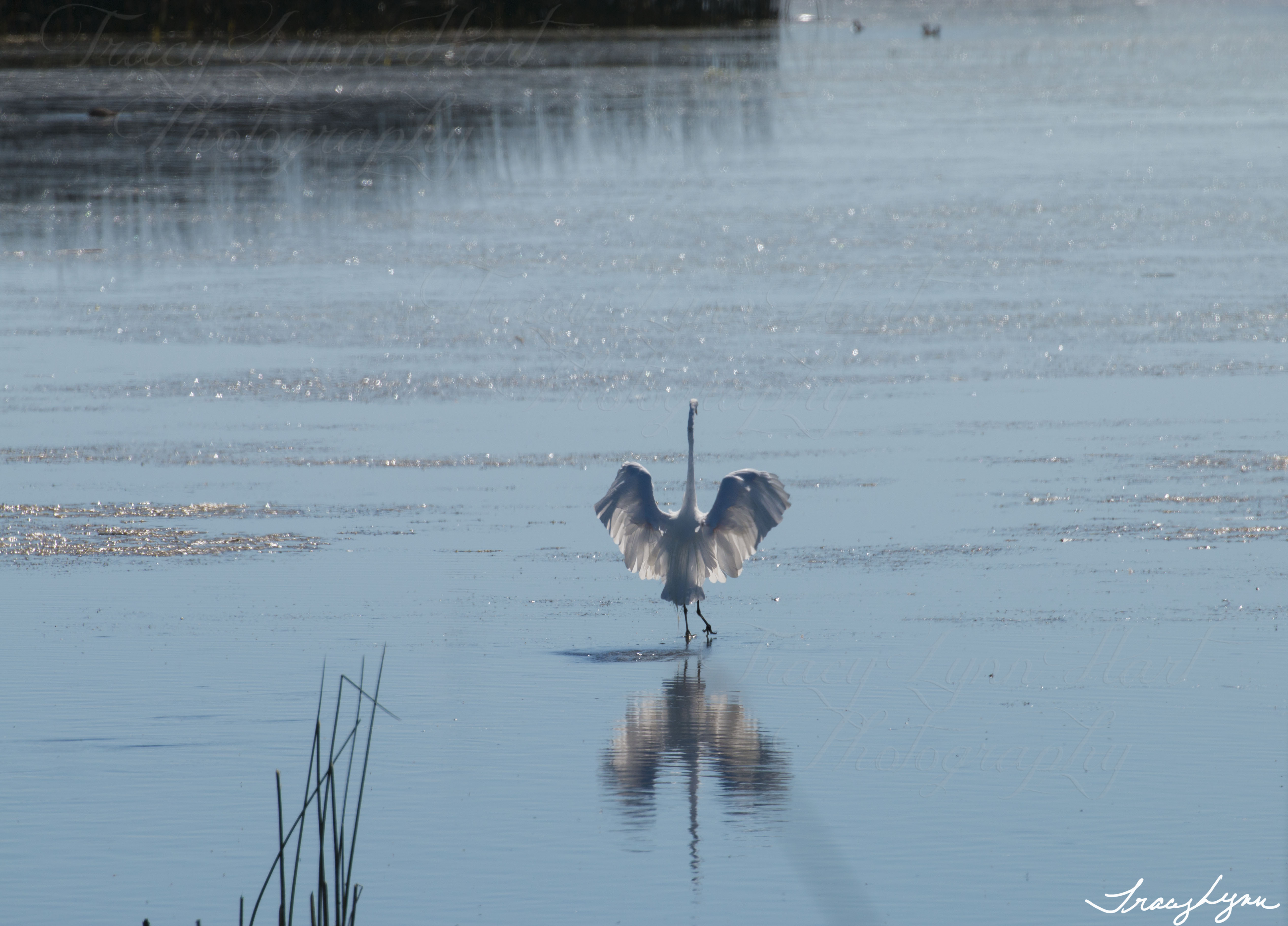
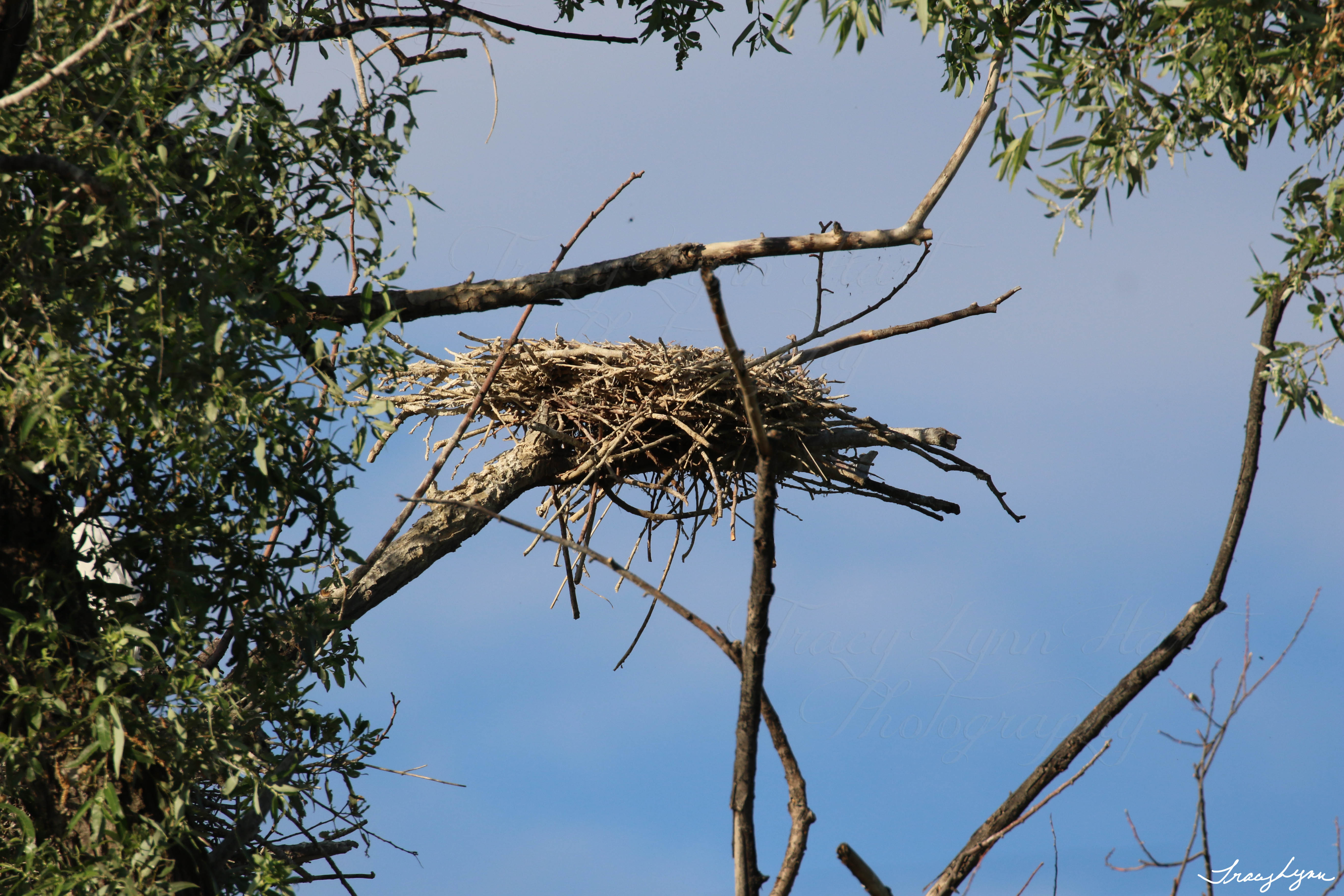
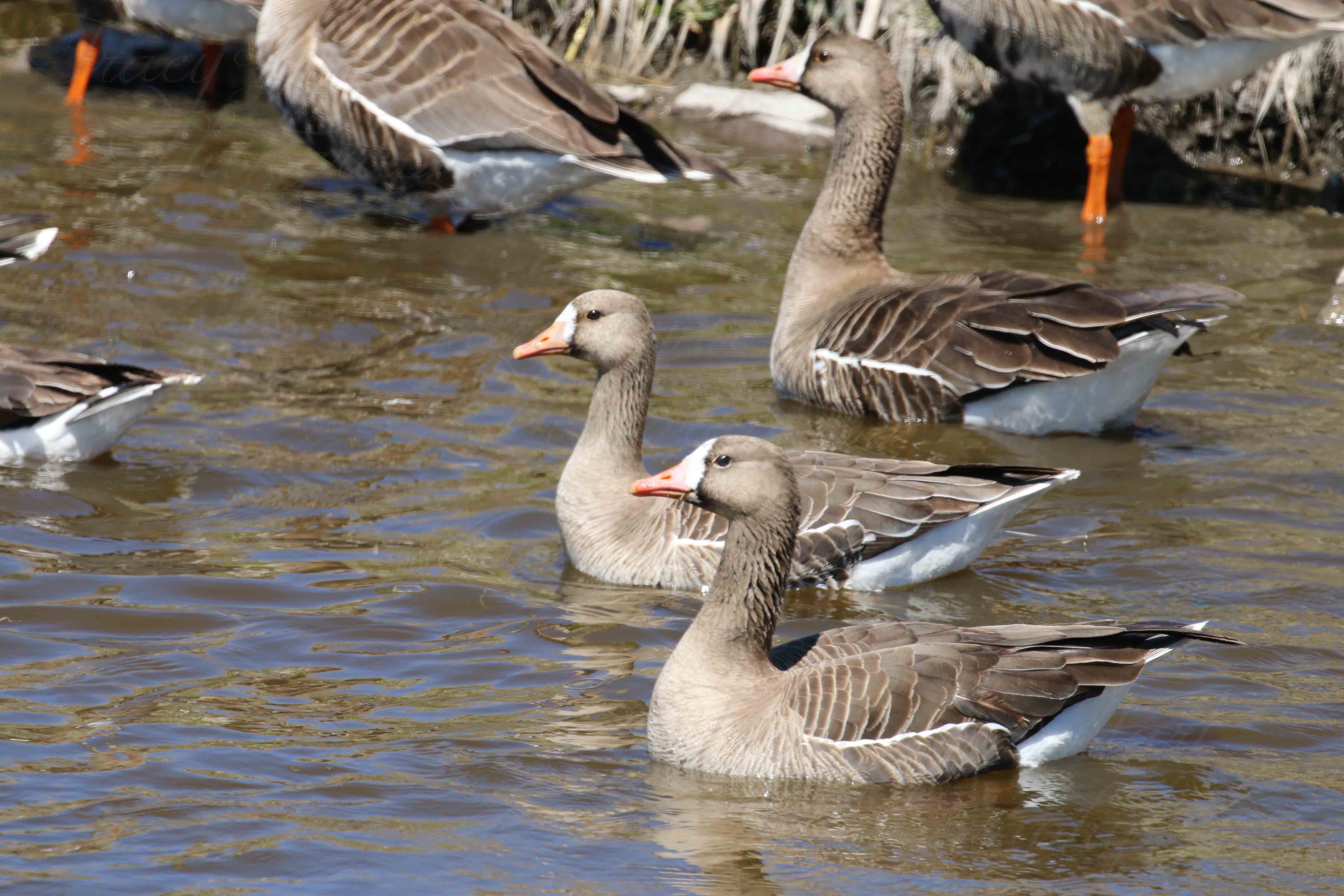
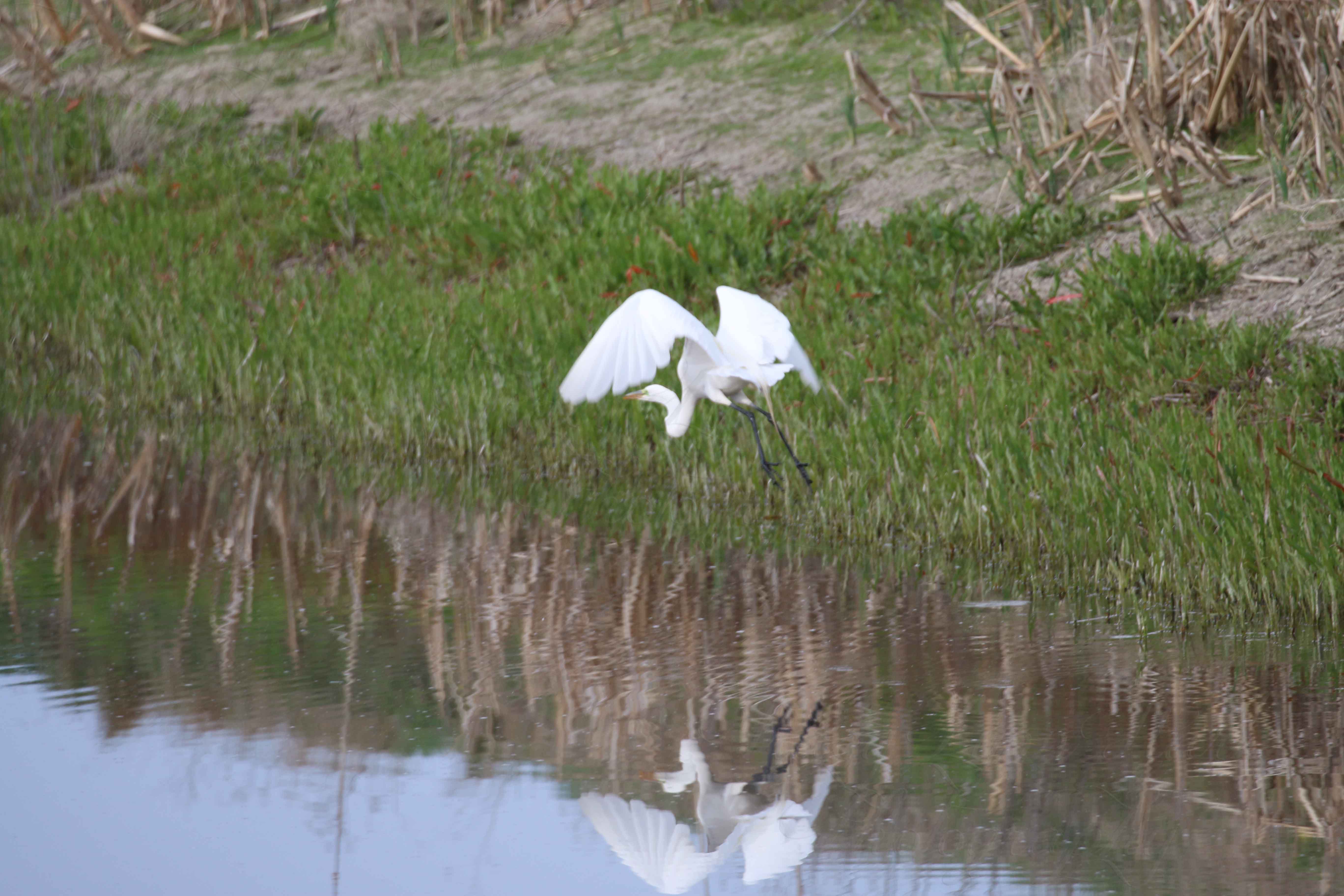
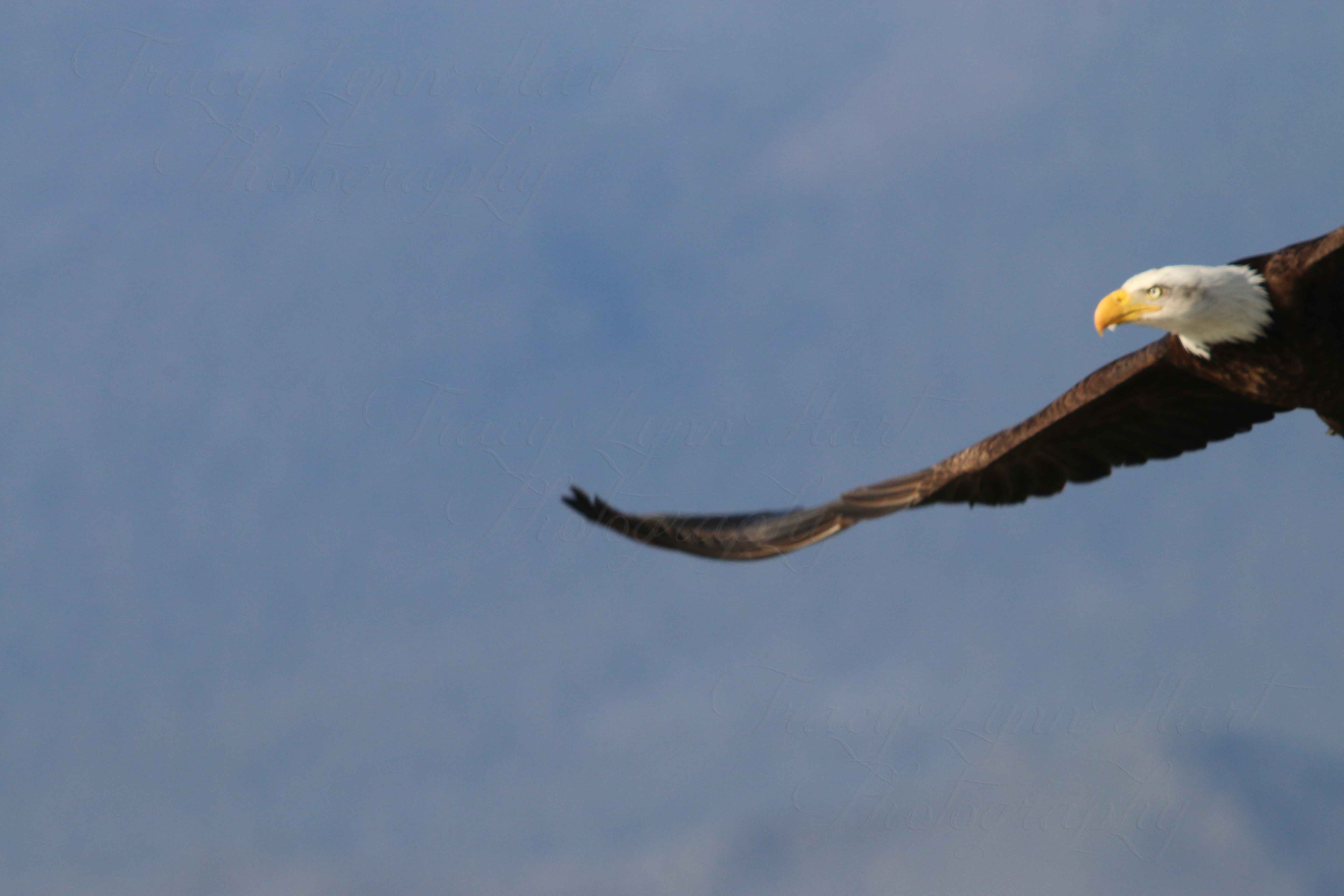
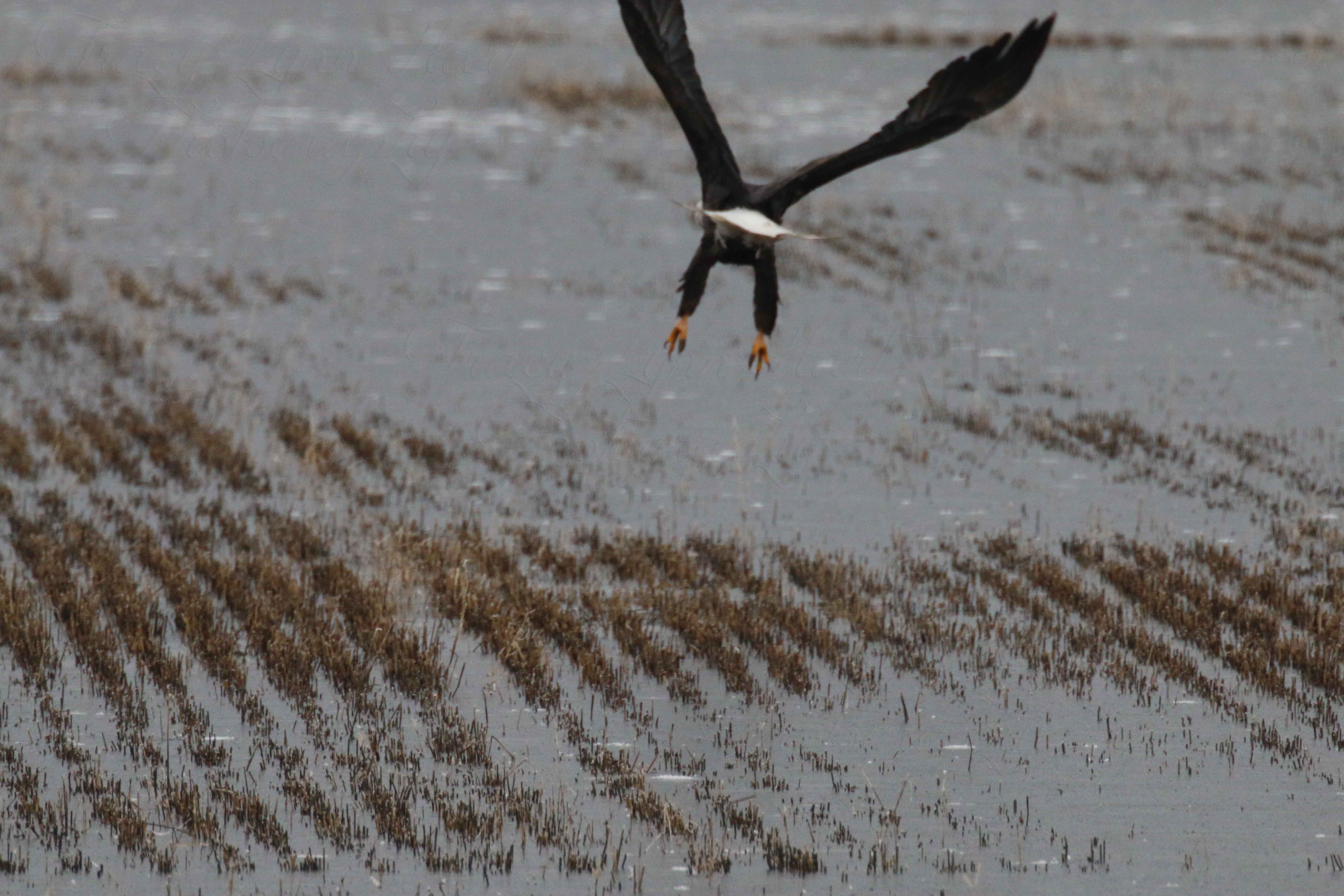
The nesting bald eagle pair was still there through it all. Where the Egrets and Herons last had their Rookery, the Crowned Night Herons took it over, and it was an amazing year for them! Also, for the geese and ducks!


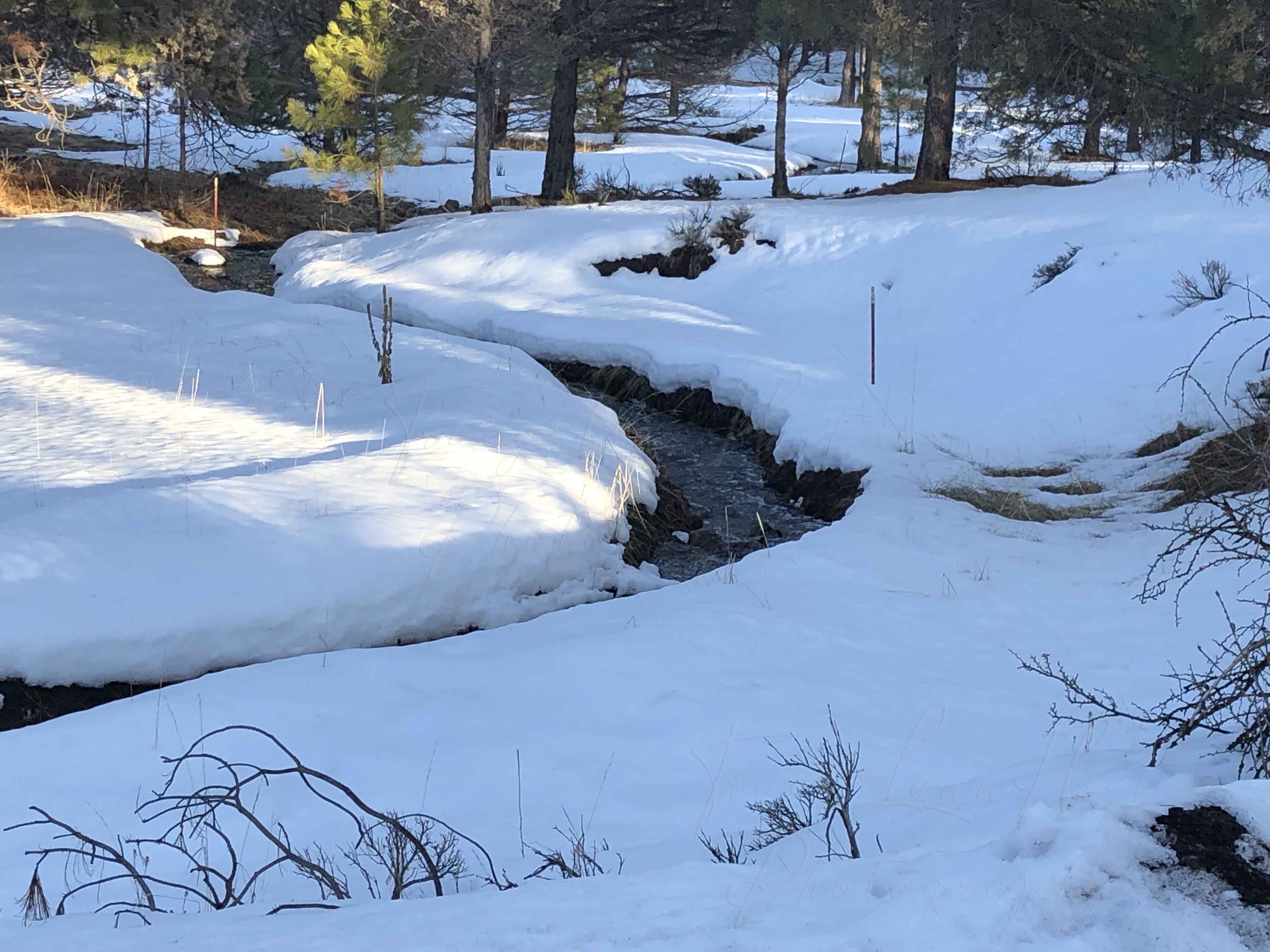
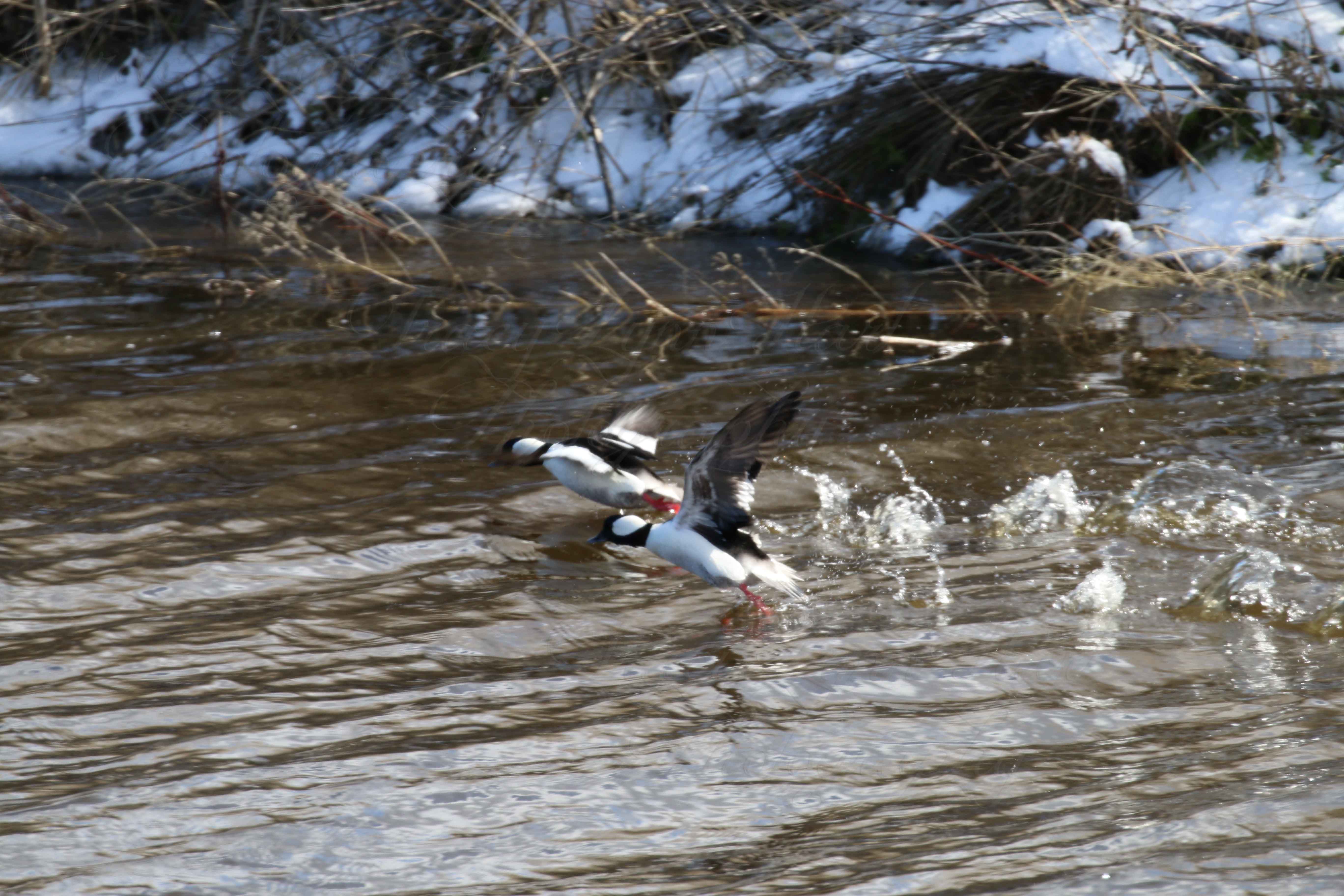
Enter 2025. A very slow start to winter. And then WHAM! On January 31st, it began to snow, and it did not stop for a solid week. We had 3.5 feet on the mountain at home and 2.5 feet at the refuges. It was interesting. It was sad… and it was an experience I am in no hurry to go through again.
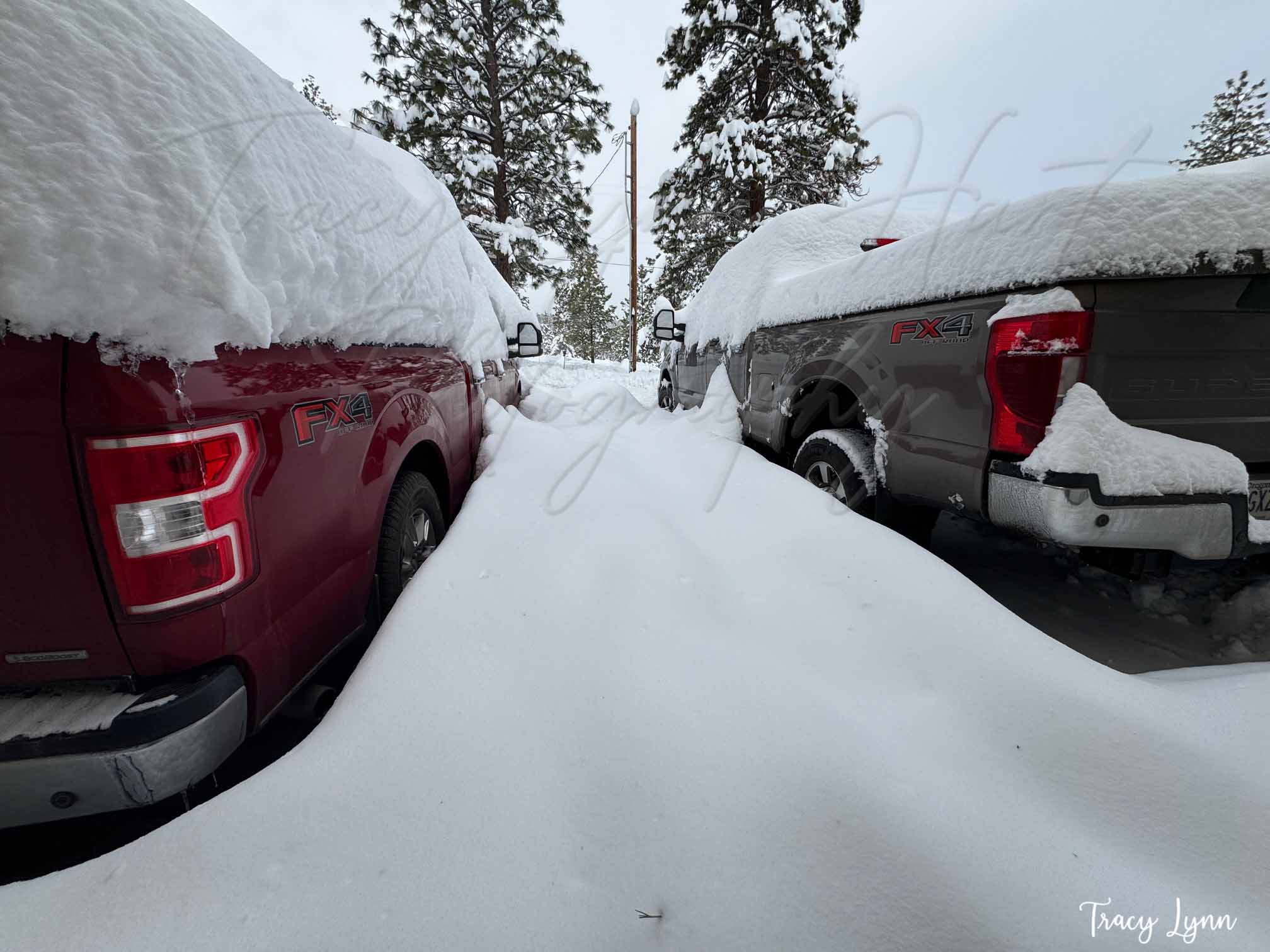
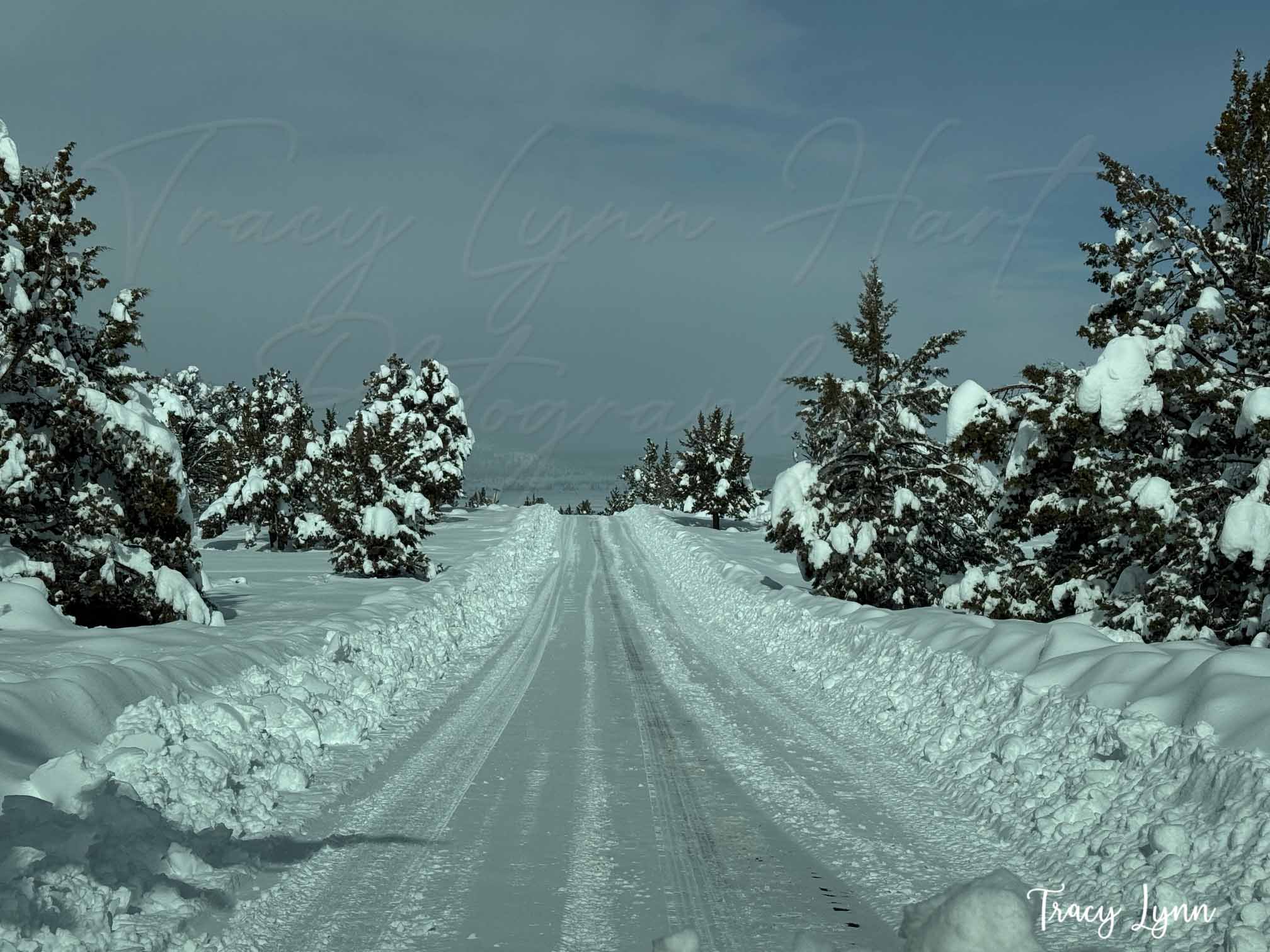

Why was it interesting? Because that is a lot of snow! That is a lot of the color white! It’s heavy to shovel, and no fun to be “snowed in”. I can only imagine what the ranchers and farmers in our area were going through! Trying to get feed to the livestock. And maintain paths for them to be able to get around as well. I heard stories of our locals having issues with chicken coops collapsing under the weight of the snow and losing some of their flock.
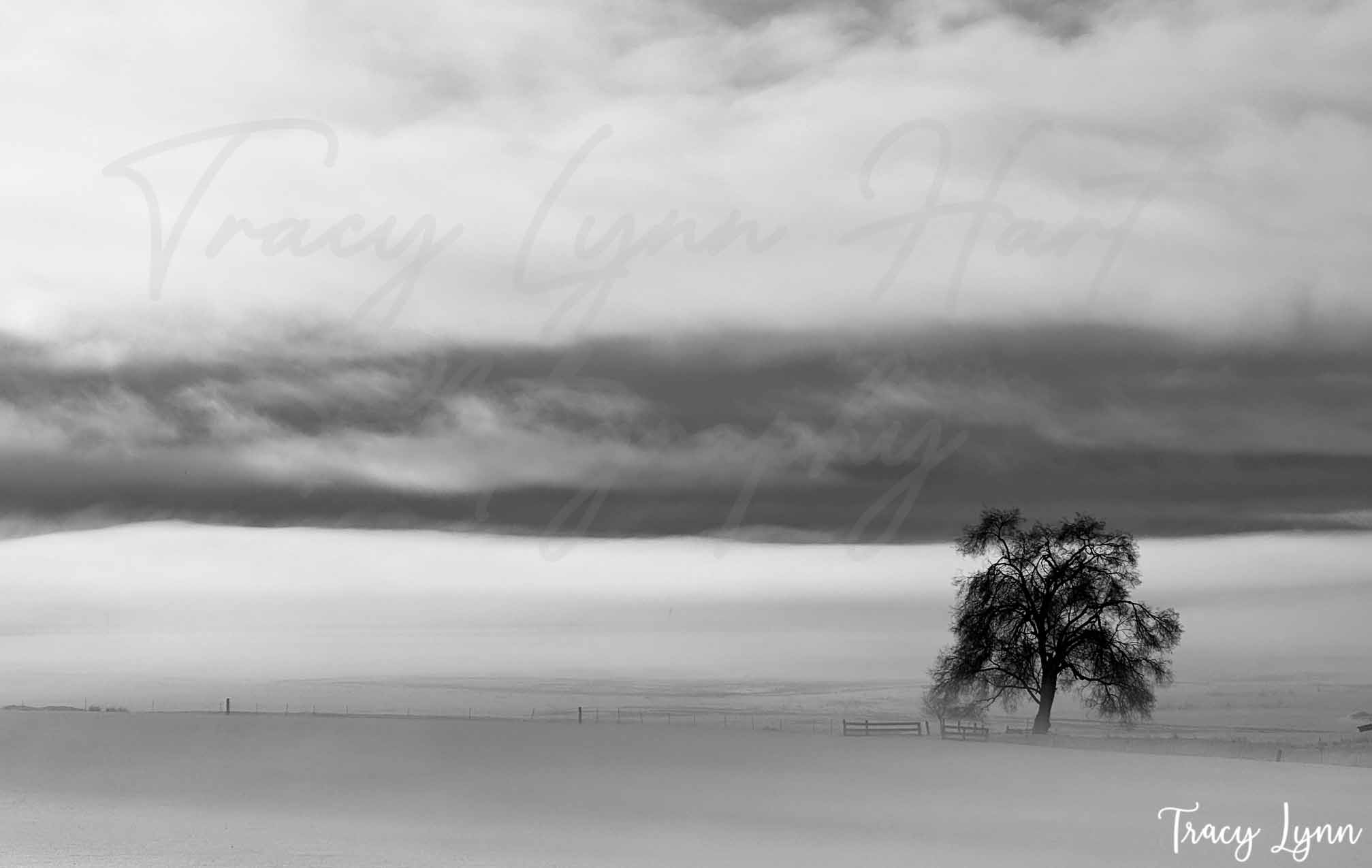
The sad… imagine 2.5 feet of snow everywhere. What does this do for the birds that are ground nesters? The birds that rely on foraging for food, such as mice? It wasn’t pretty. Birds were flocking to the highways and byways to just find a place to rest their weary bones for the night and forage for food. Sadly, there was no food on the roads. So, the refuges actually had to put feed out for the birds. The raptors suffered greatly, not being able to hunt for their food for 10 days. I do know there were a lot of birds that starved to death. How sad is that? While the snow has been amazing for the water tables and getting us out of a drought, it was very sad to see!


Spring forward to today. The trees are waking up, the fields are getting green, and things are coming alive. Although we still have snow in the forecast, things are finally warming up!
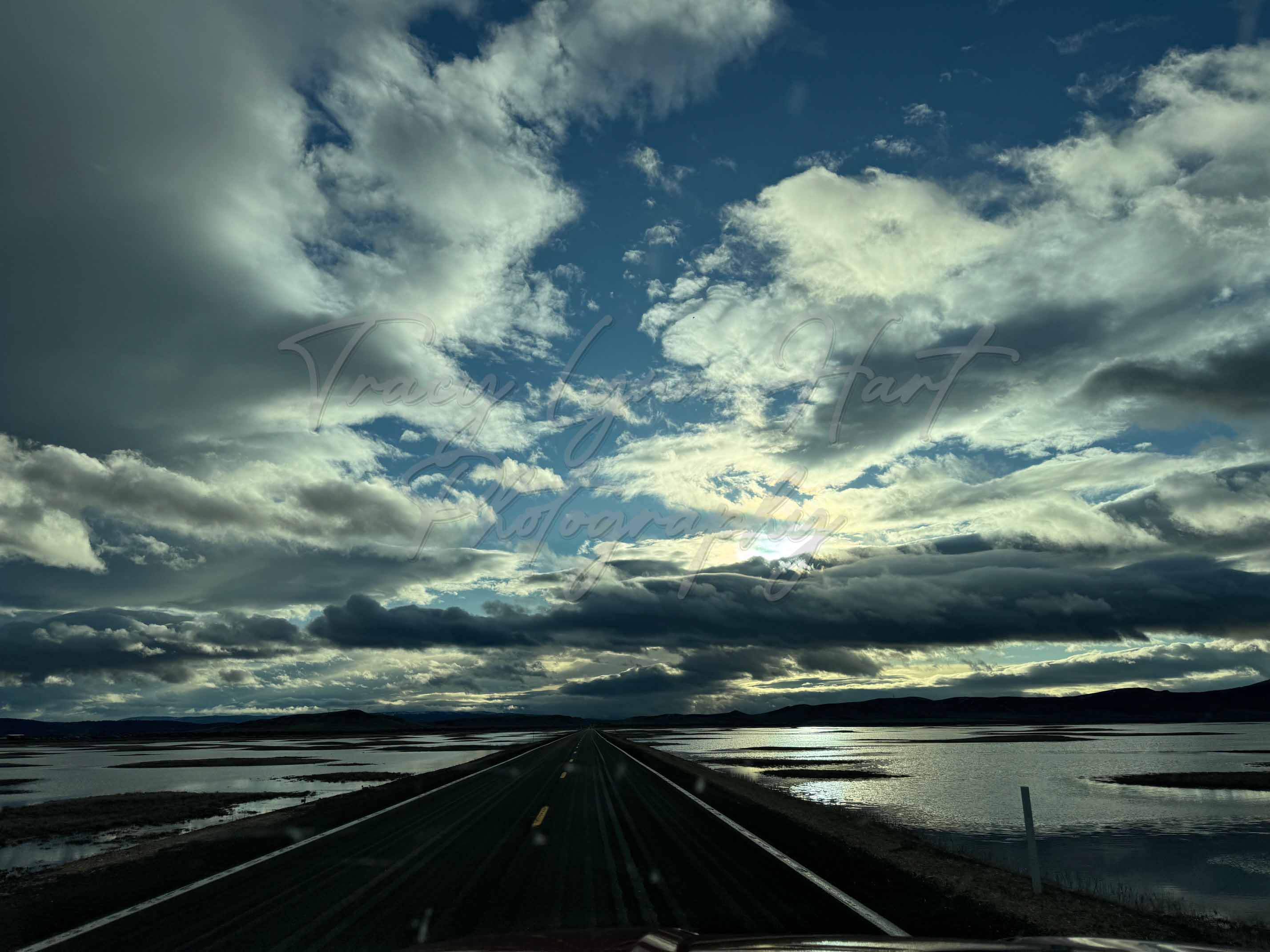
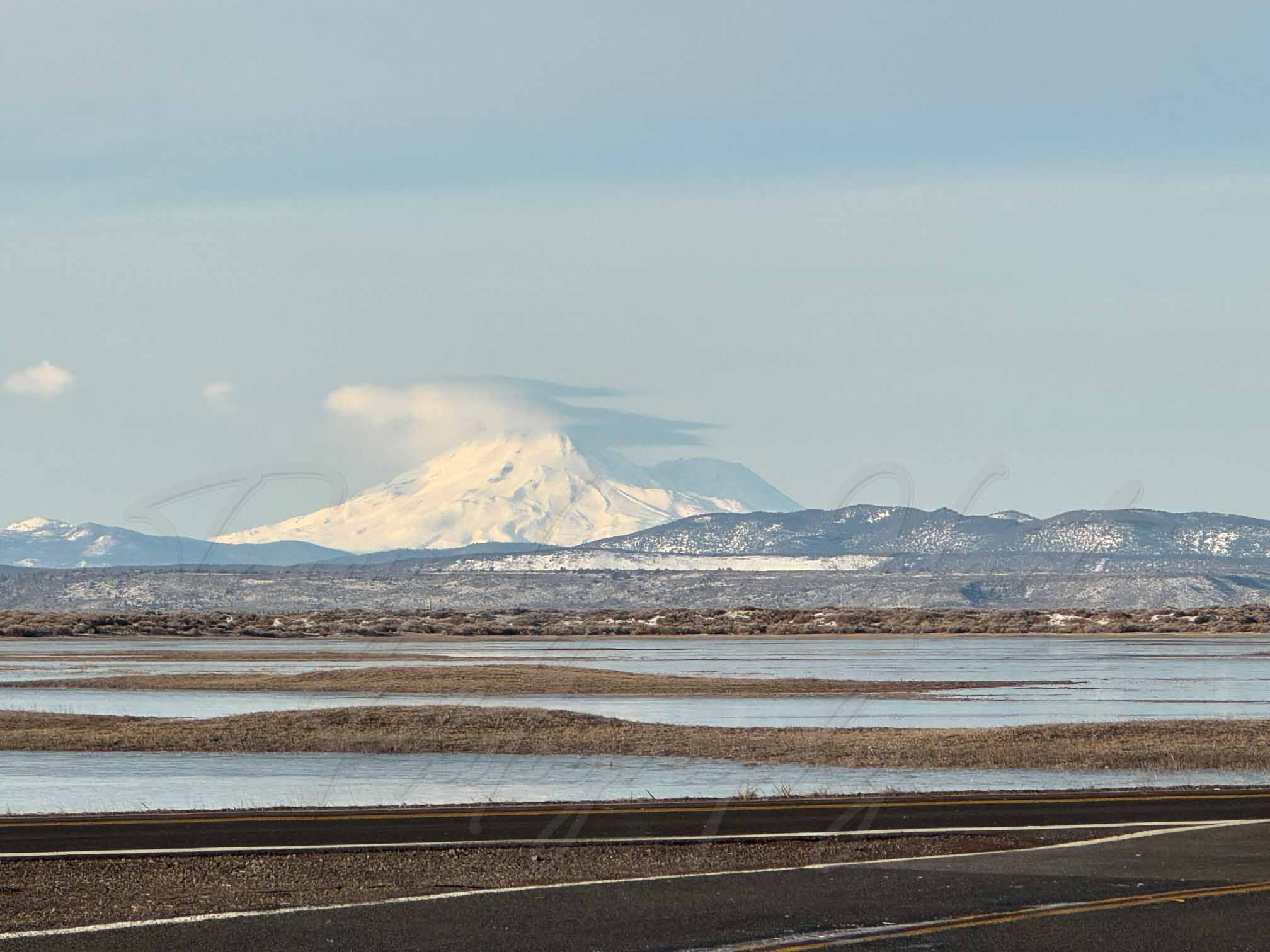
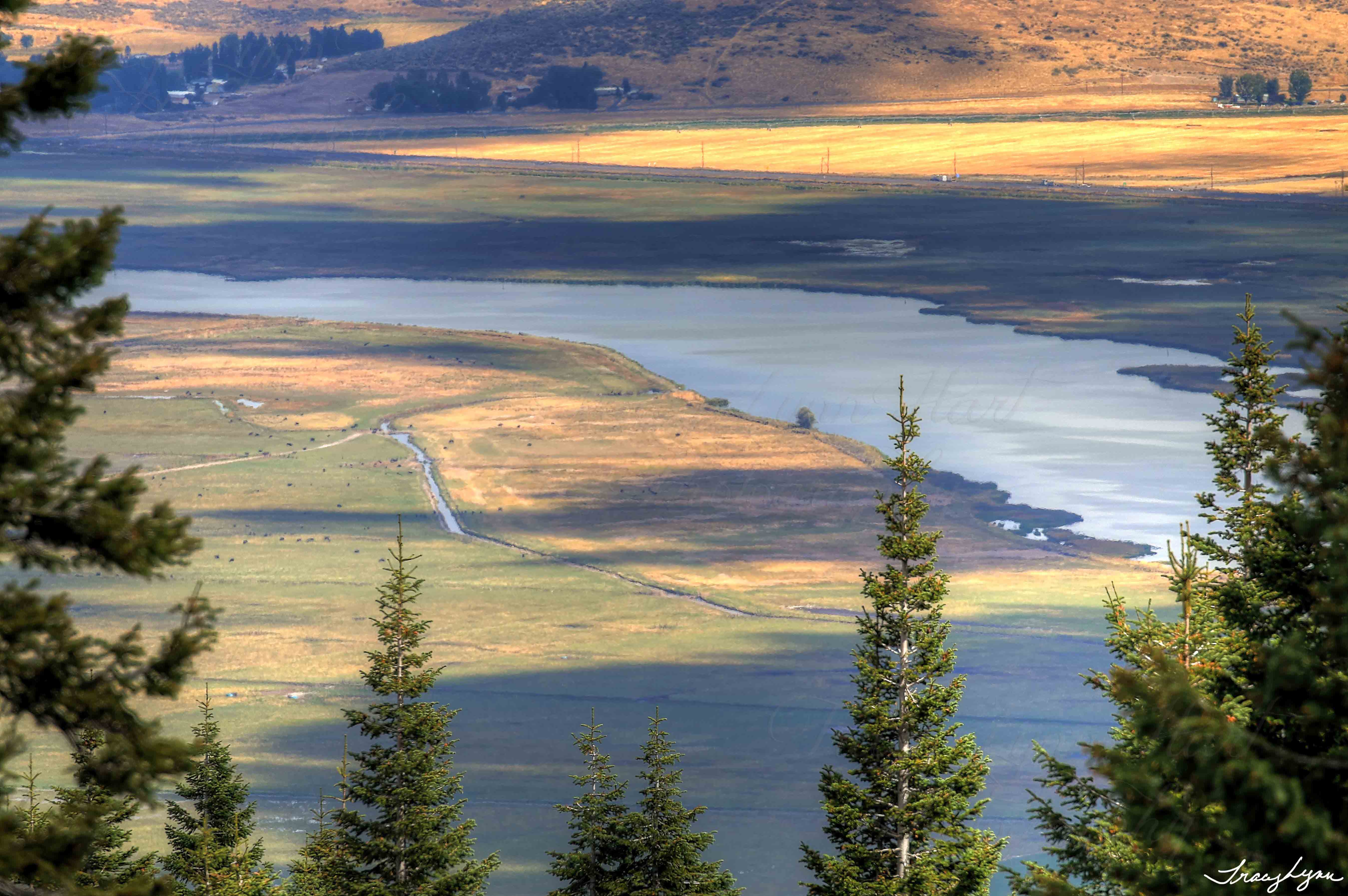
Lower Klamath Wildlife Refuge and the Tule Lake National Wildlife Refuge have more water than they have seen in years. We are talking full. Thankful for the water for sure. There are no natural resources to fill our refuges, so we rely on canals to get water. With the melting snow pack and abundance of water, they didn’t have to fight for water this spring. Not to say that won’t change this summer.
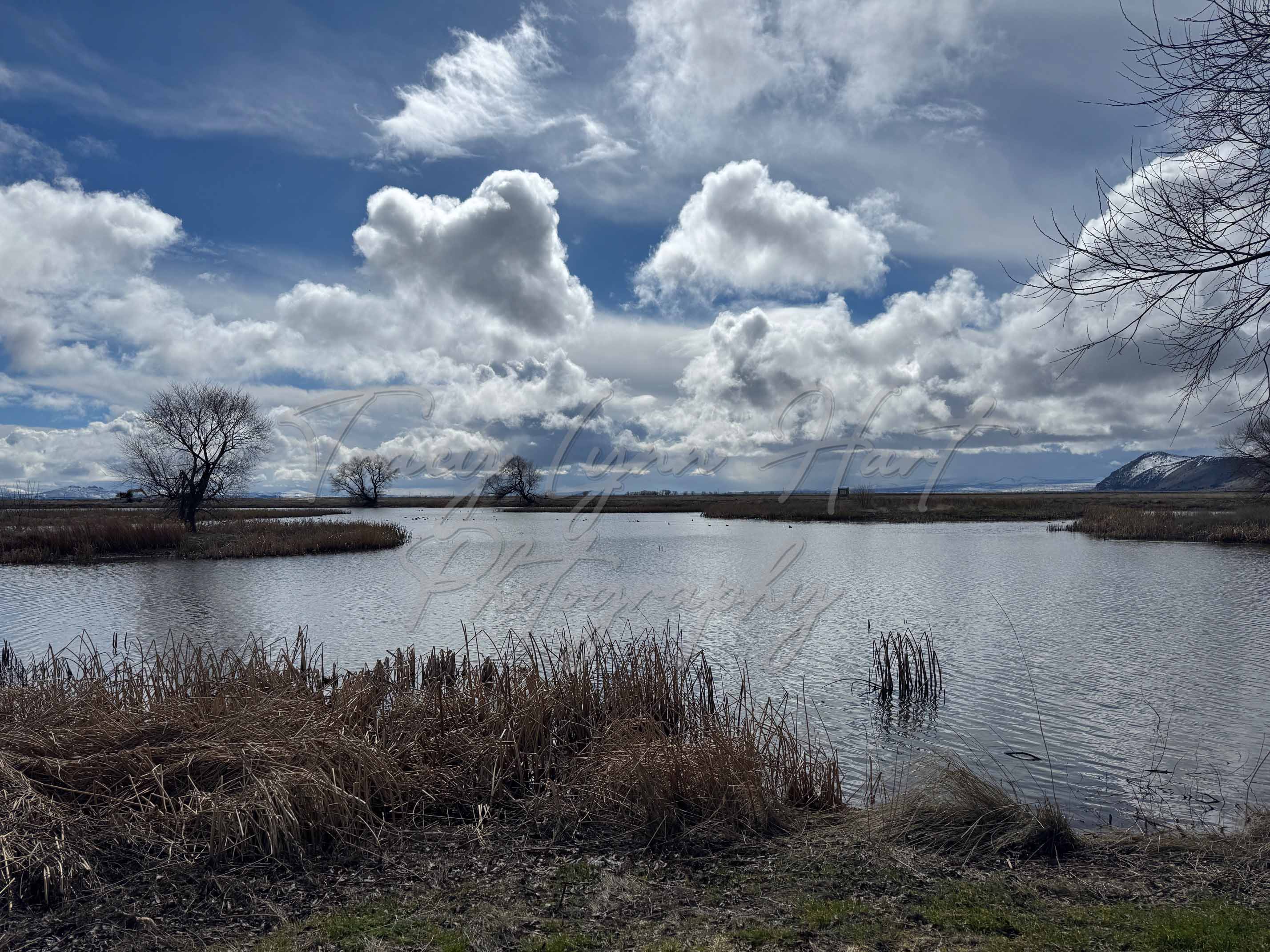
Tulelake Refuge had a severe outbreak of Avian Botulism last year in July, and they lost over 100k birds. It was devastating. This is what happens when a wildlife refuge can not get Fresh water. The water received in the spring of 2024 was great! Don’t get me wrong, but botulism is in the ground. A ground that had been dry for four years. And the water was being recirculated over and over and over, and what happens? Yep… disease. Something that may or may not have finally gotten the attention it deserved. I have read many articles and social media posts blaming the Refuge for this outbreak and that it was all their fault. I know the truth, as do most level-headed people. It had nothing to do with management; it had everything to do with no fresh water! Did it get political? Yes. Were hunters and farmers, and visitors affected? Of course. We can only hope it is never that bad again.
The refuge was able to, with the sole help of an organization called Bird Ally X and many volunteers, to rehabilitate successfully 958 birds. Sadly, they could not help them all. The birds they did save were released onto the Lower Klamath National Wildlife Refuge, which did not have the Avian Botulism outbreak. Why?? Better wetlands. Not all of the refuge remained dry and desolate; there was an area that had water throughout the drought. And a cleaner water source, so to speak.
Let’s get away from the sadness and spring forward to today!
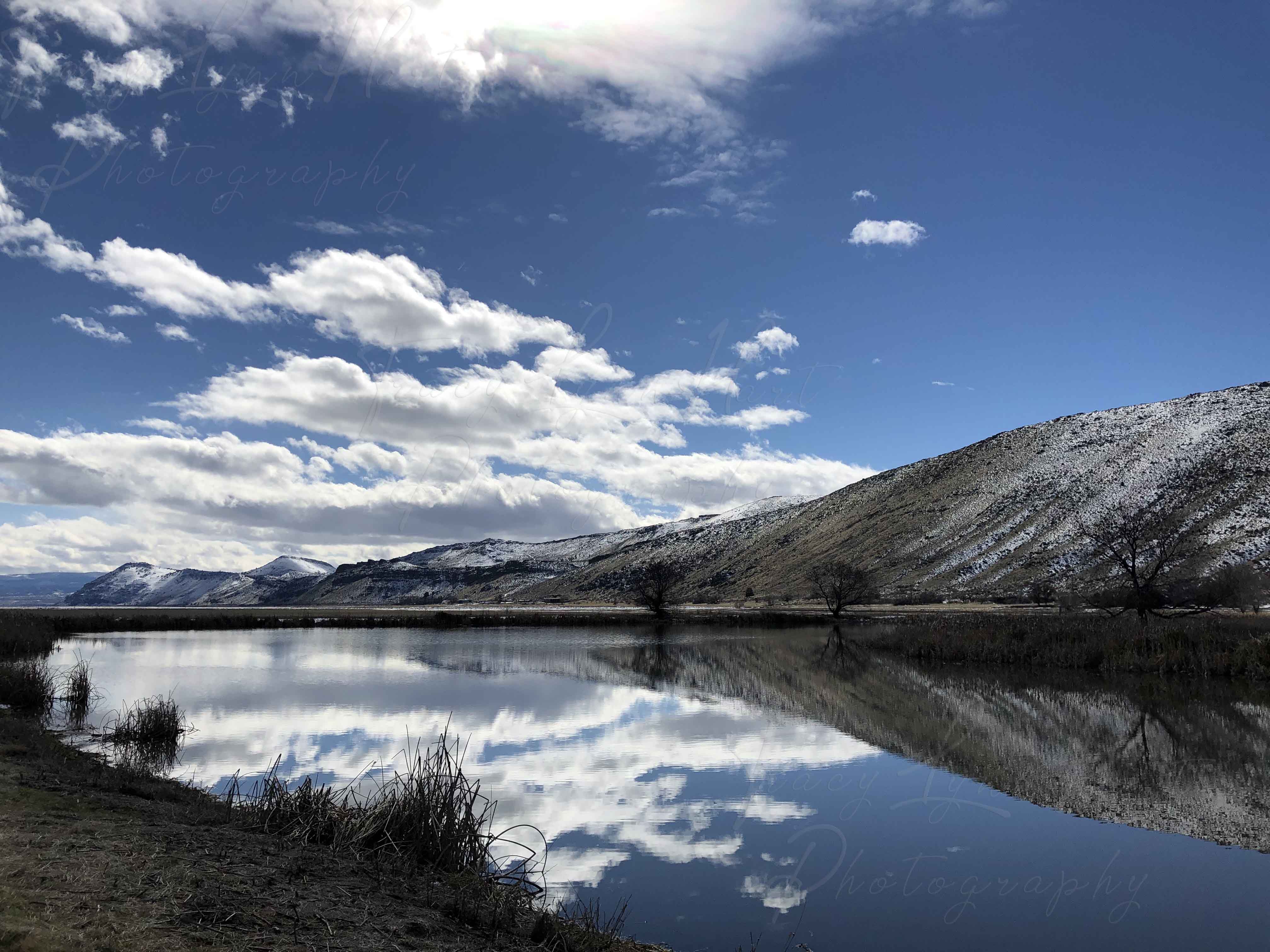
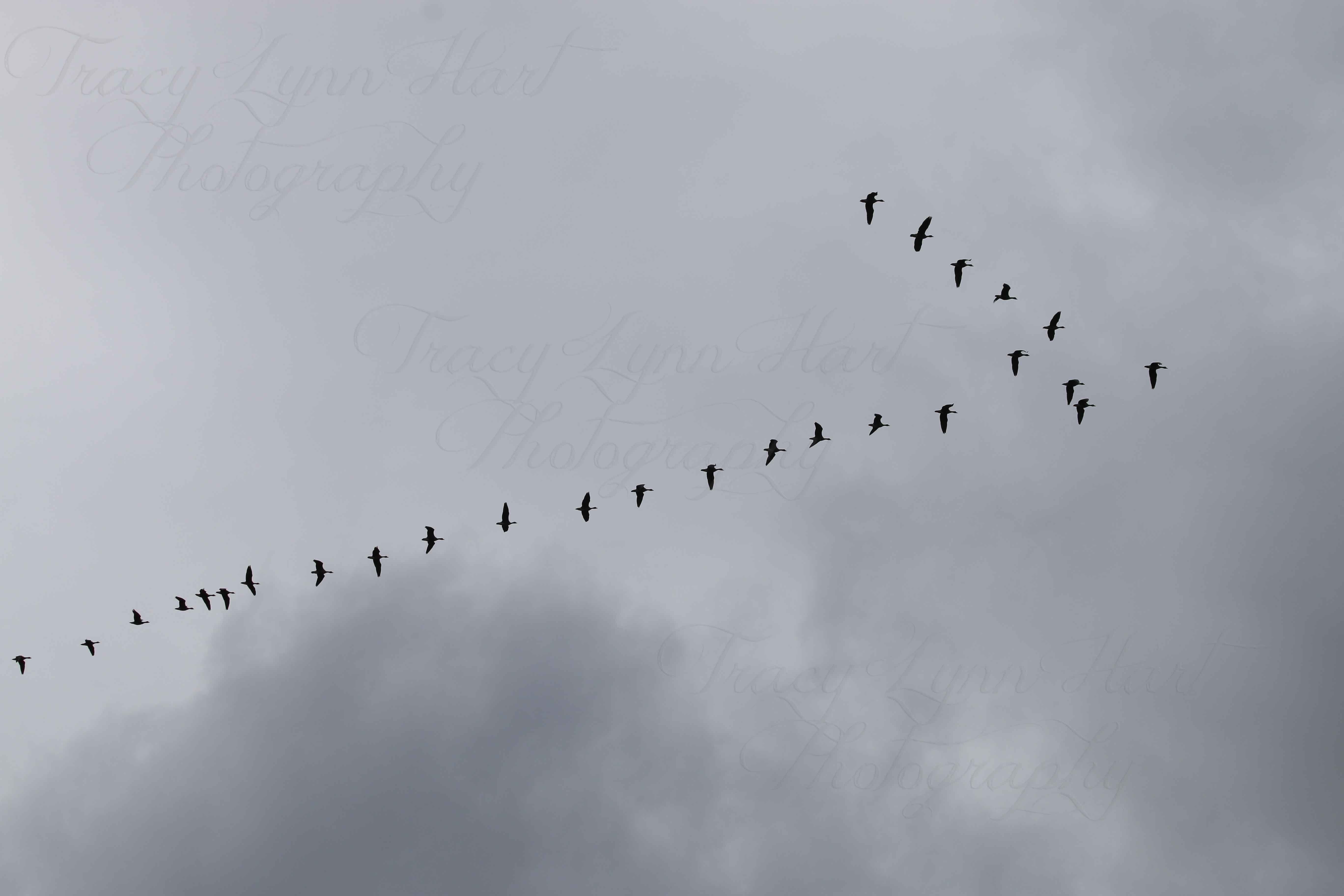
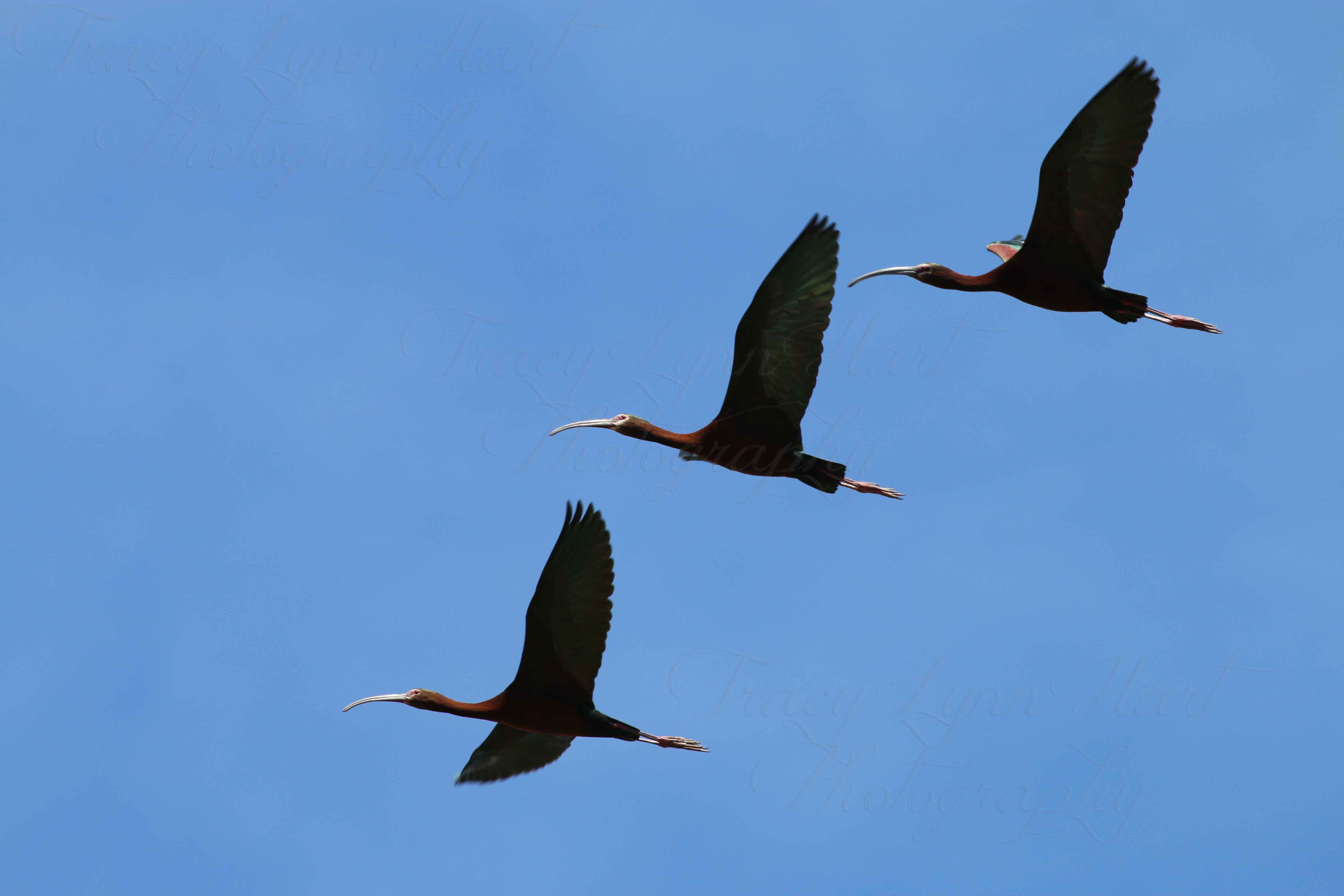
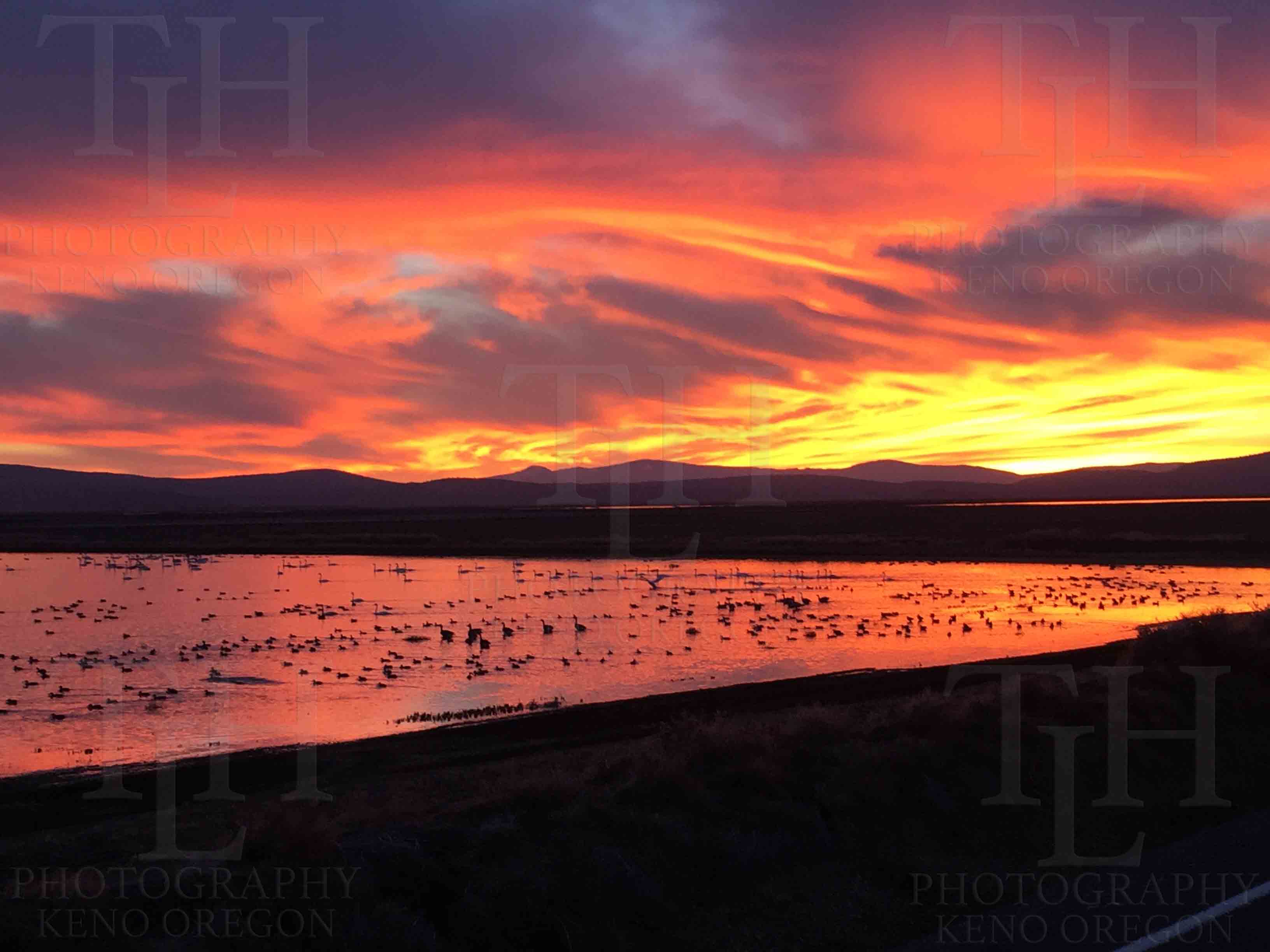
Water, Water Everywhere! It is amazing and wonderful. Our migratory numbers have dropped off due to the no-water years, but the number of migrating waterfowl was still something to see. Geese, Ducks, Tundra Swans, Hawks, Cranes. Eagles. All in abundance! It is amazing to see. I am including a clip of a video of a drive along Highway 161, also known as Stateline Highway, which is the California-Oregon border. The water is abundant and so wonderful to see.

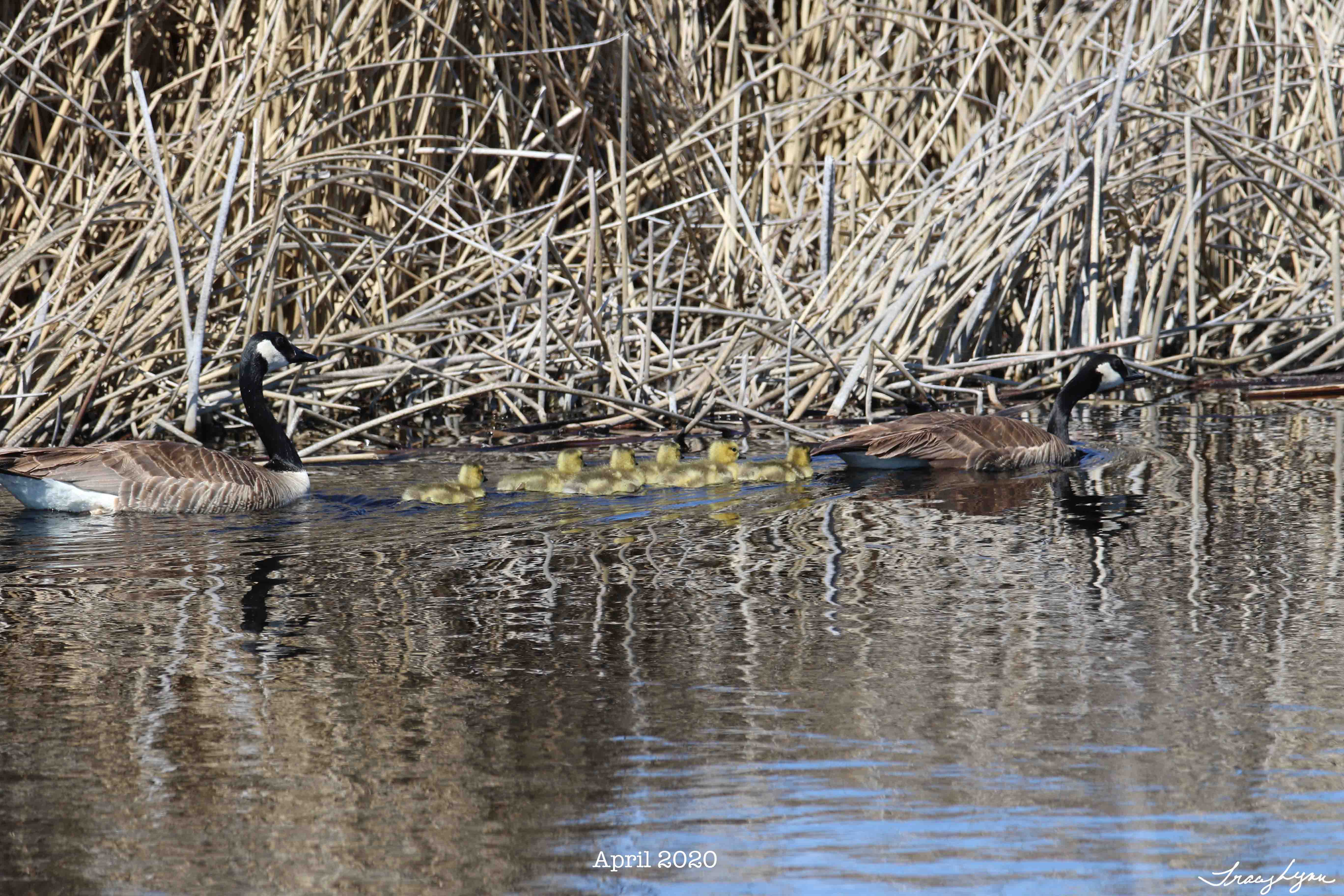
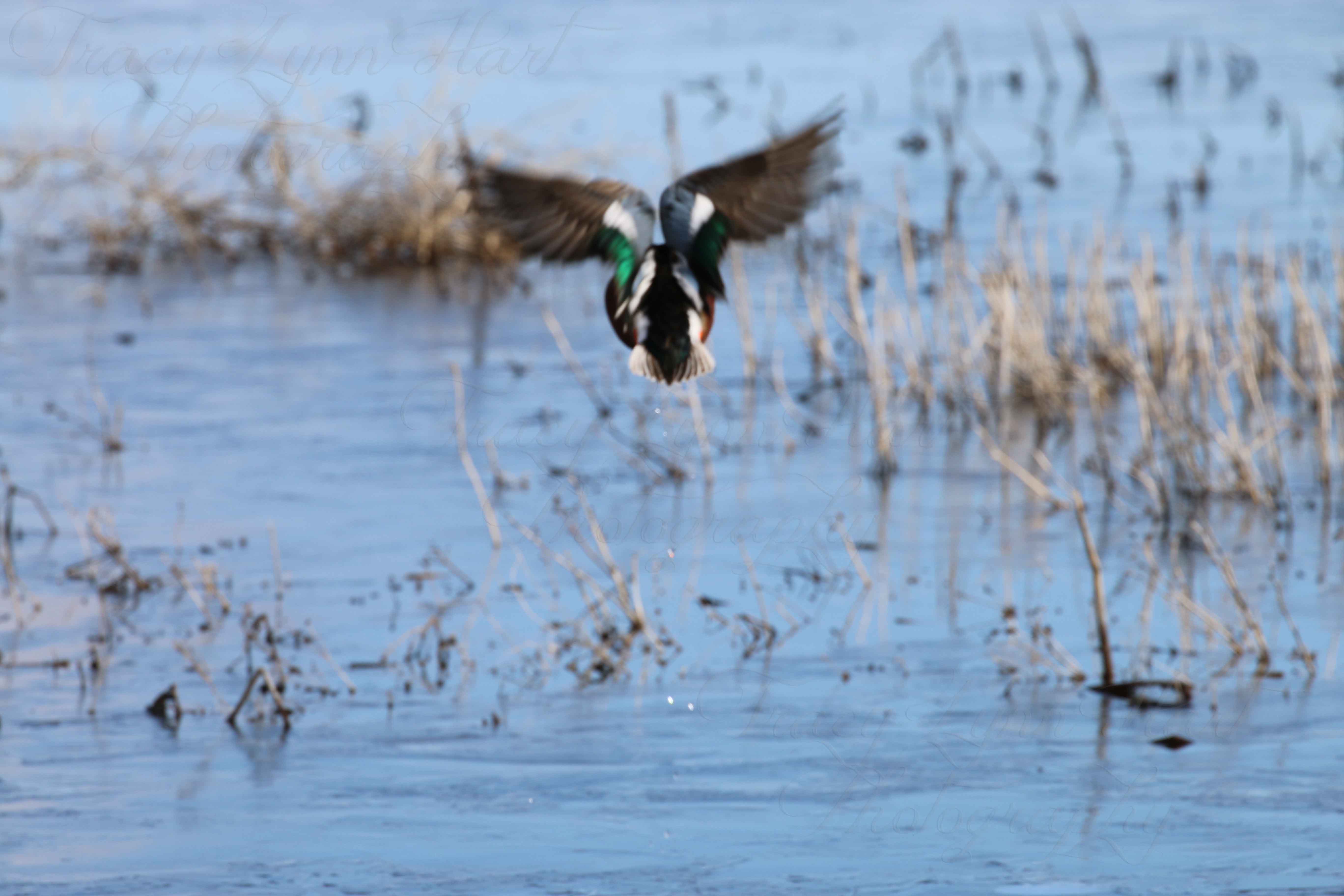
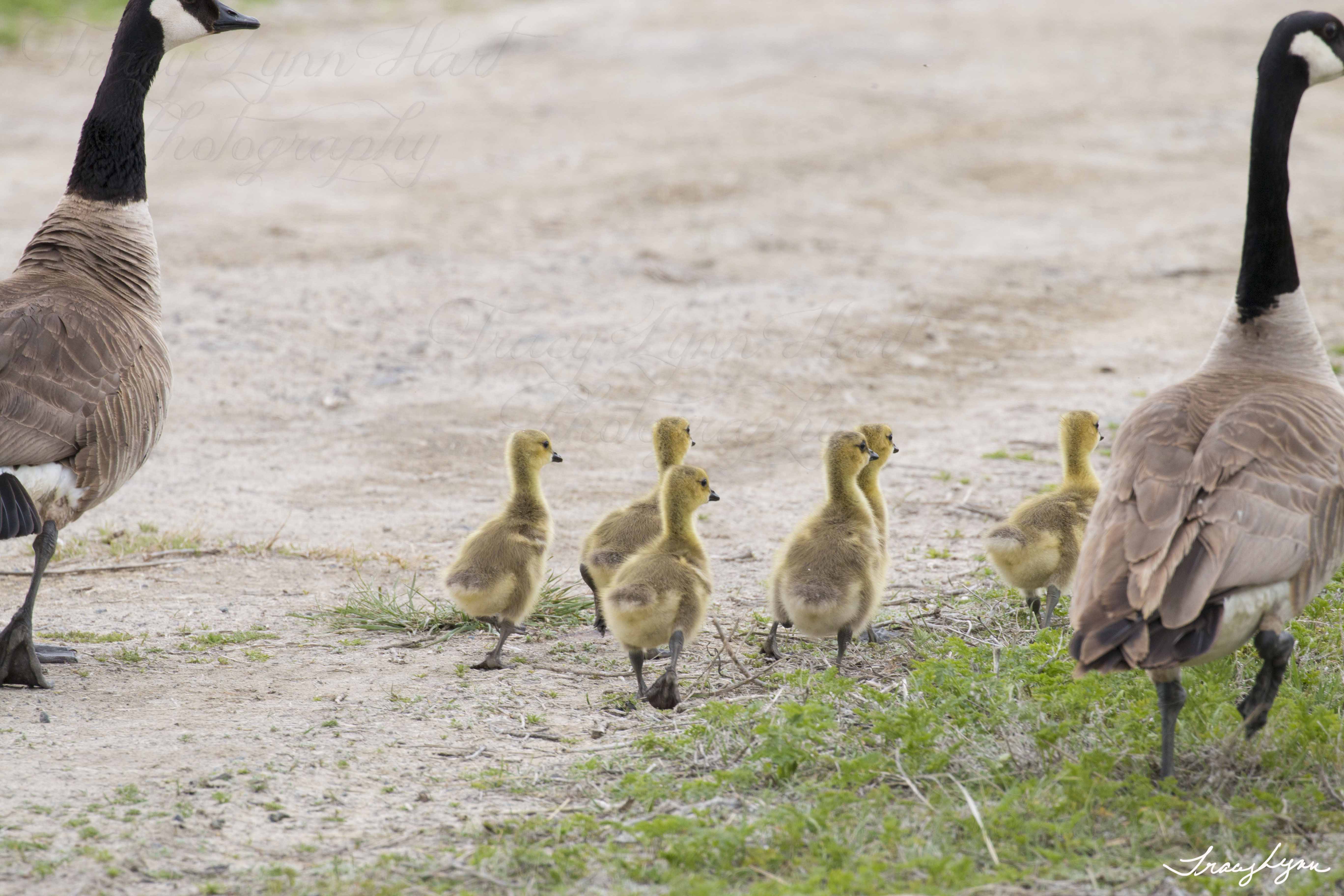
Let’s get ready for spring. The geese are paired up and nesting usually starts around St. Paddy’s Day, so in a month we should have goslings! The Grebes will be doing their mating rituals on the waters, and the ducks will be nesting in about a month!

With water, there is life! I am hoping to capture the spirit of spring this year!
Be Nice Humans
T Lynn












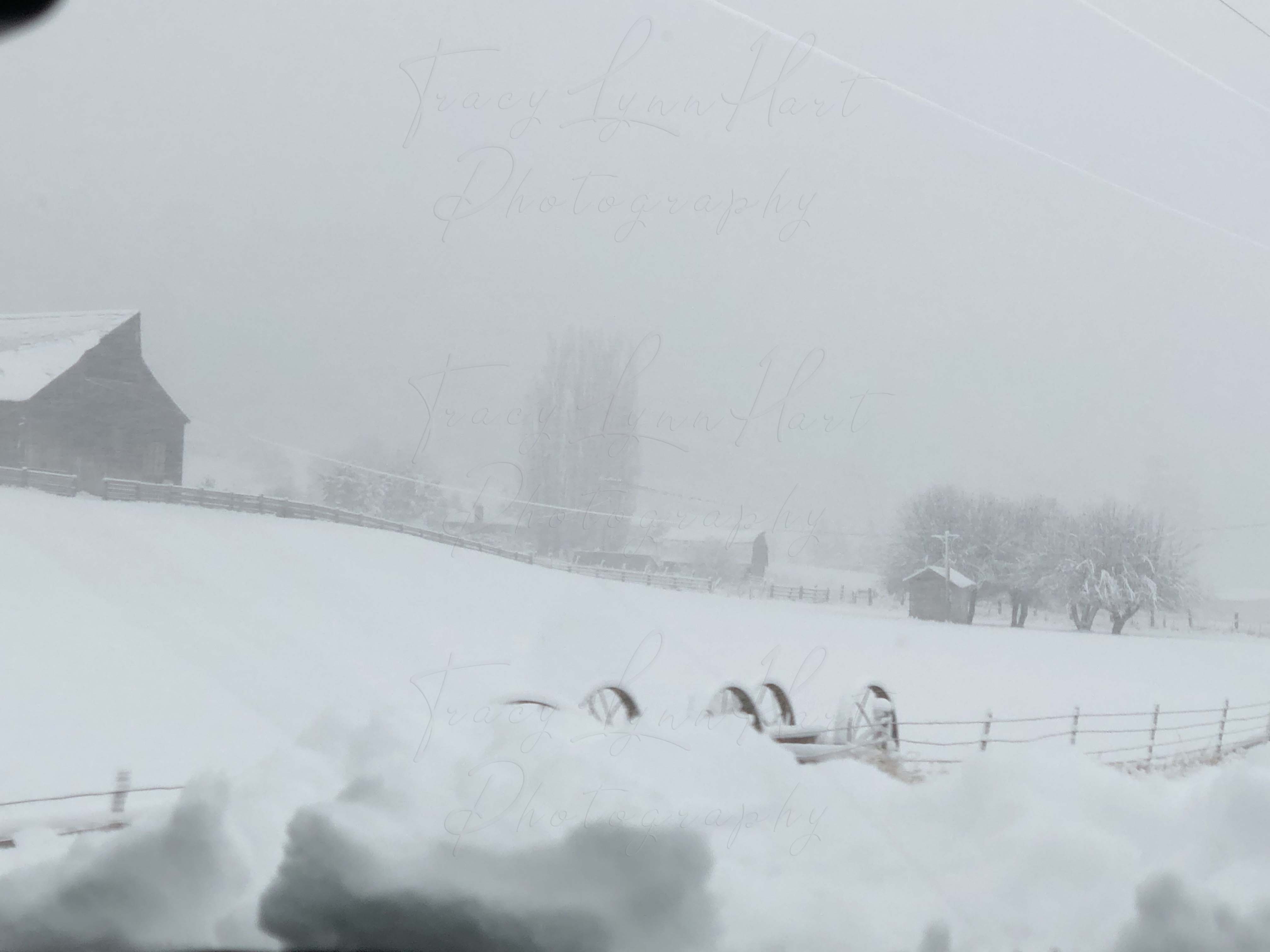

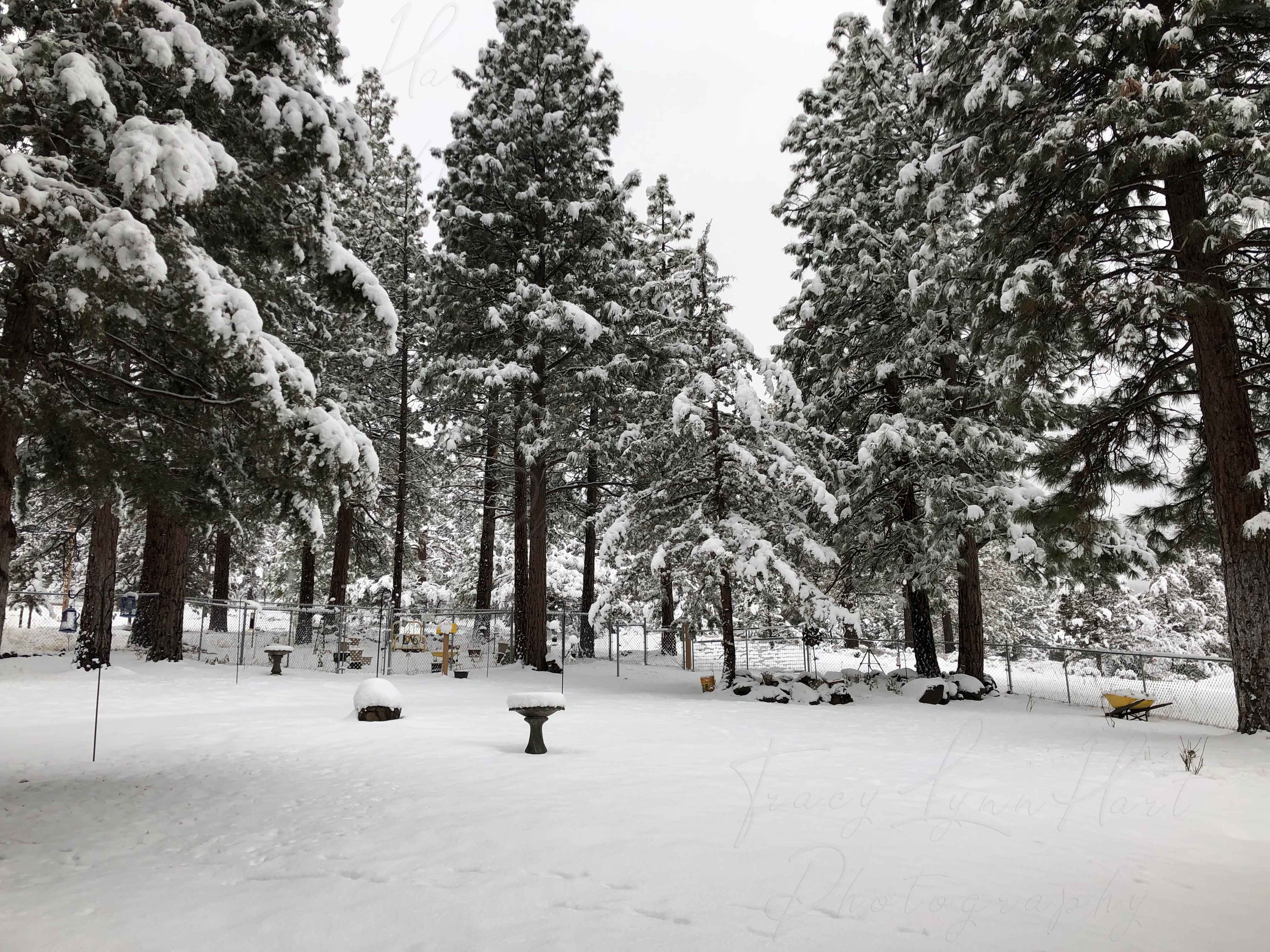 January 18, 2019
 My drive on February 4, 2019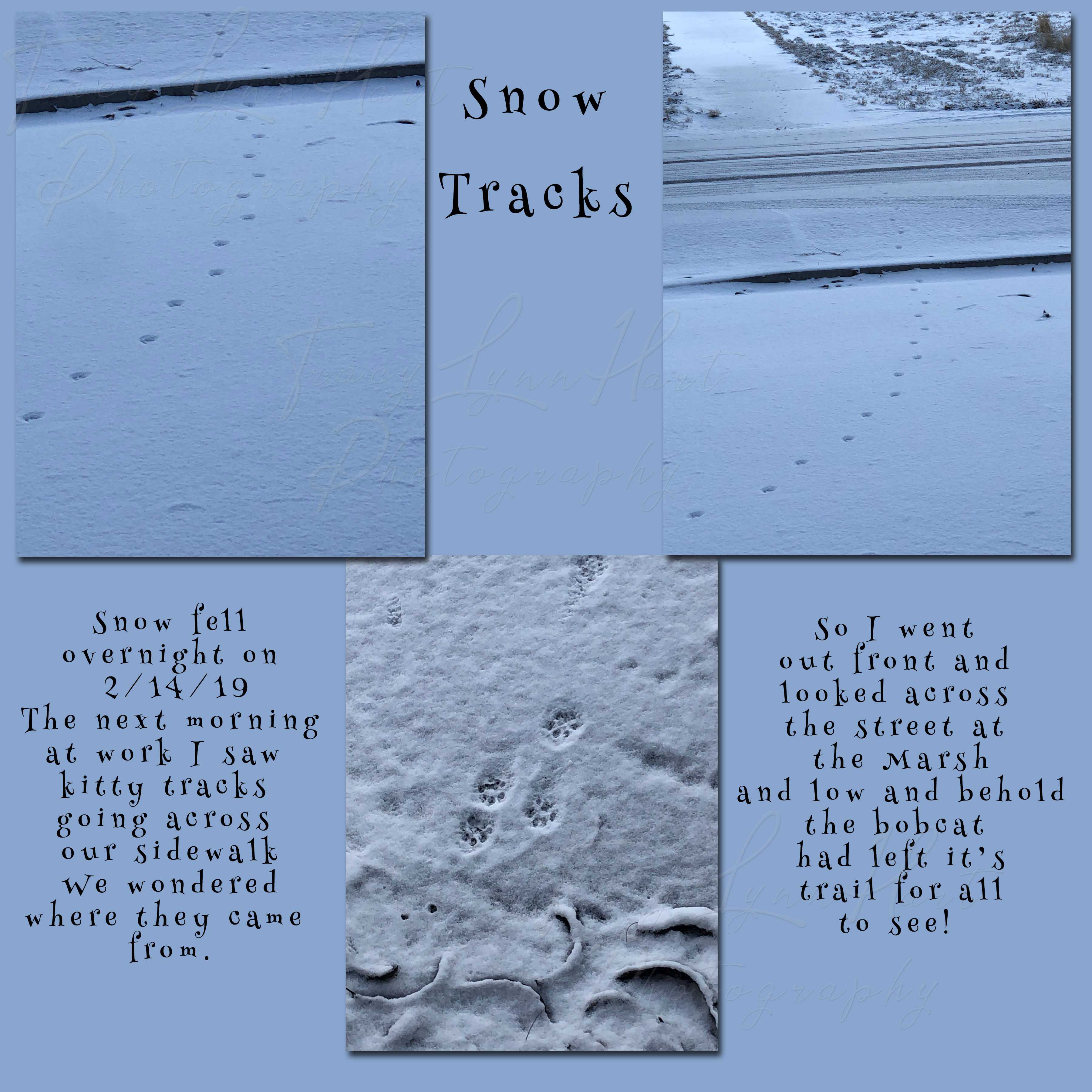


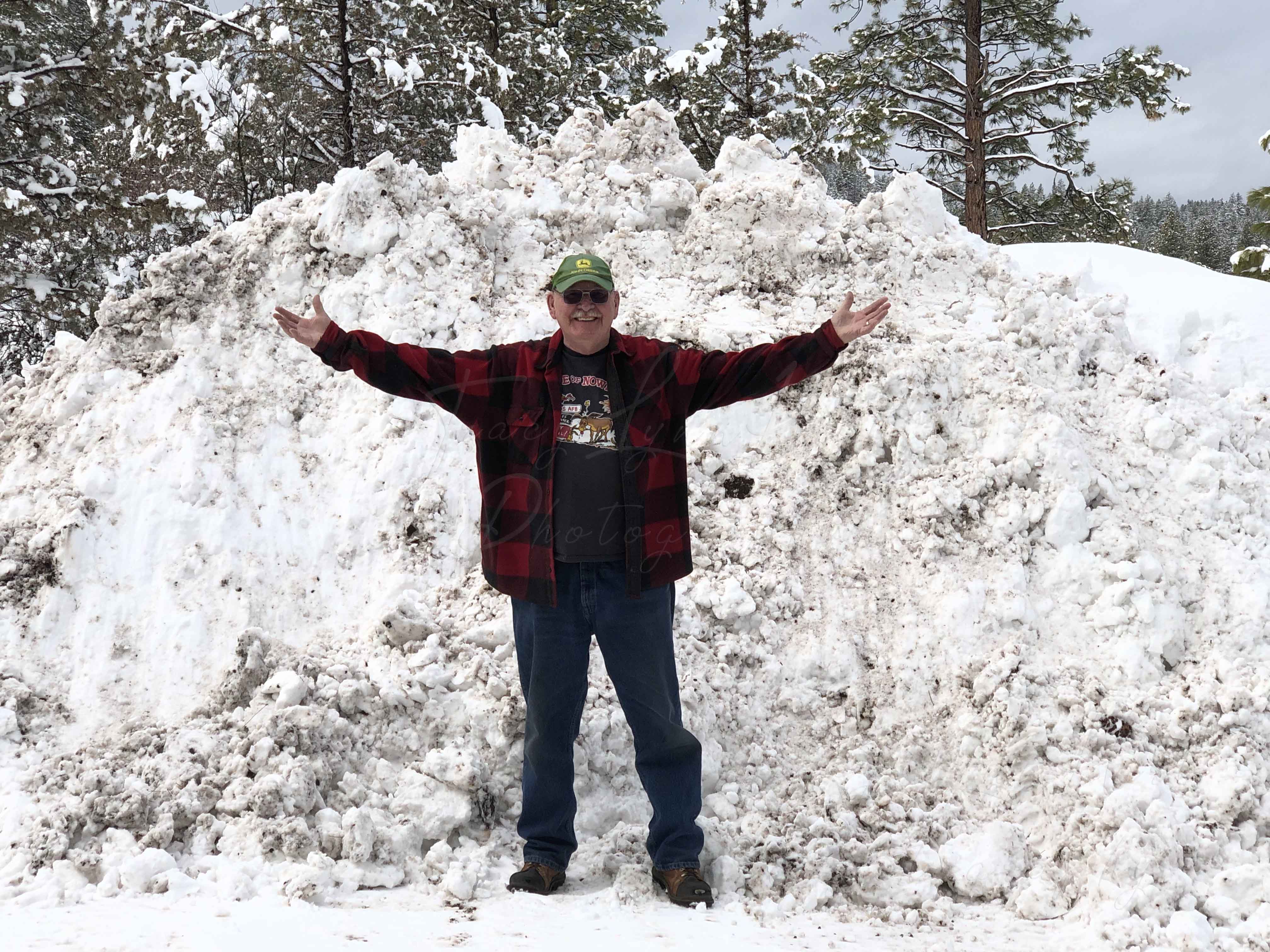 2/13/2019, the hubby and his pile of plowed snow. It’s still growing.


























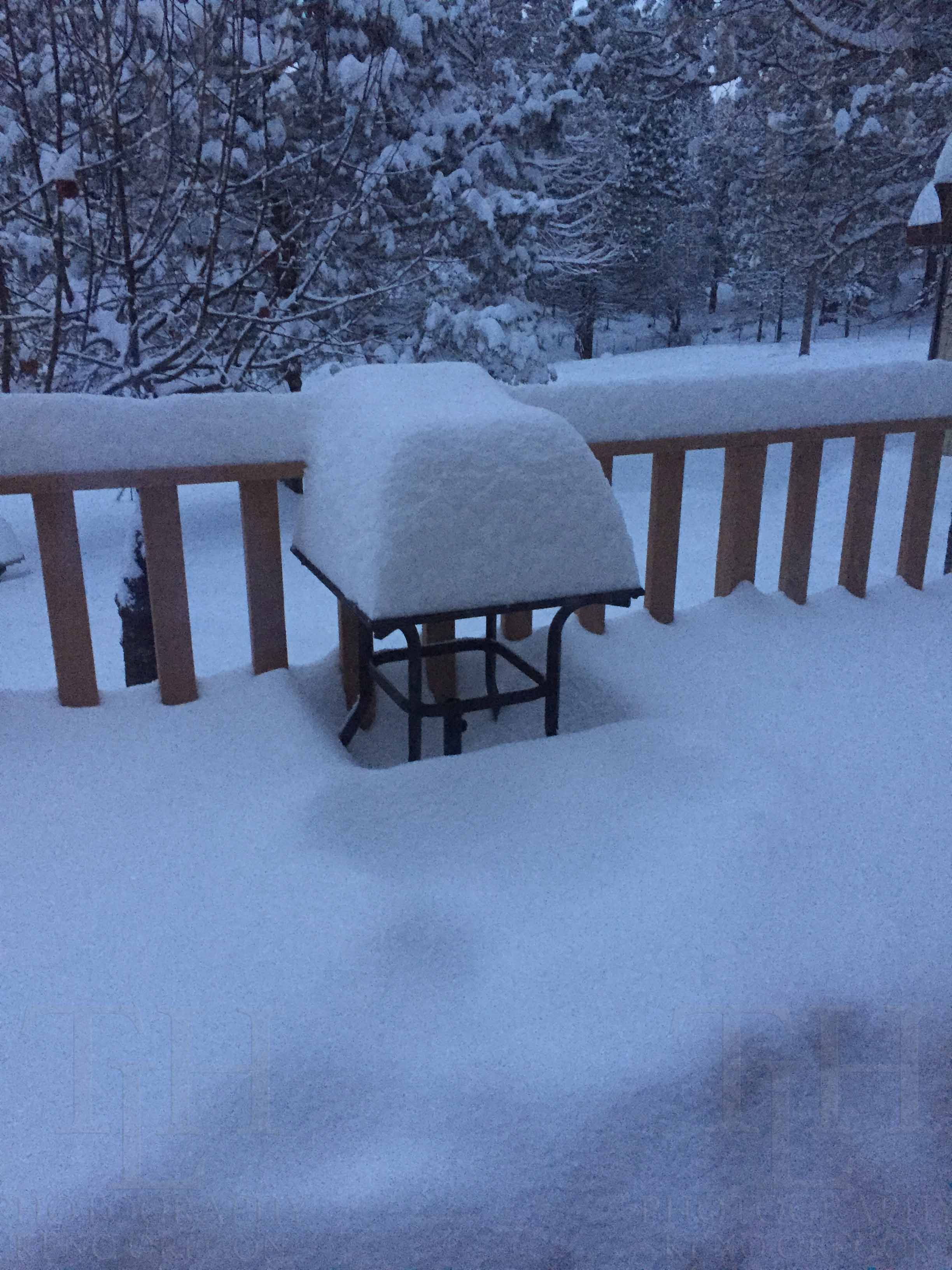 This is January. January wasn’t very nice.
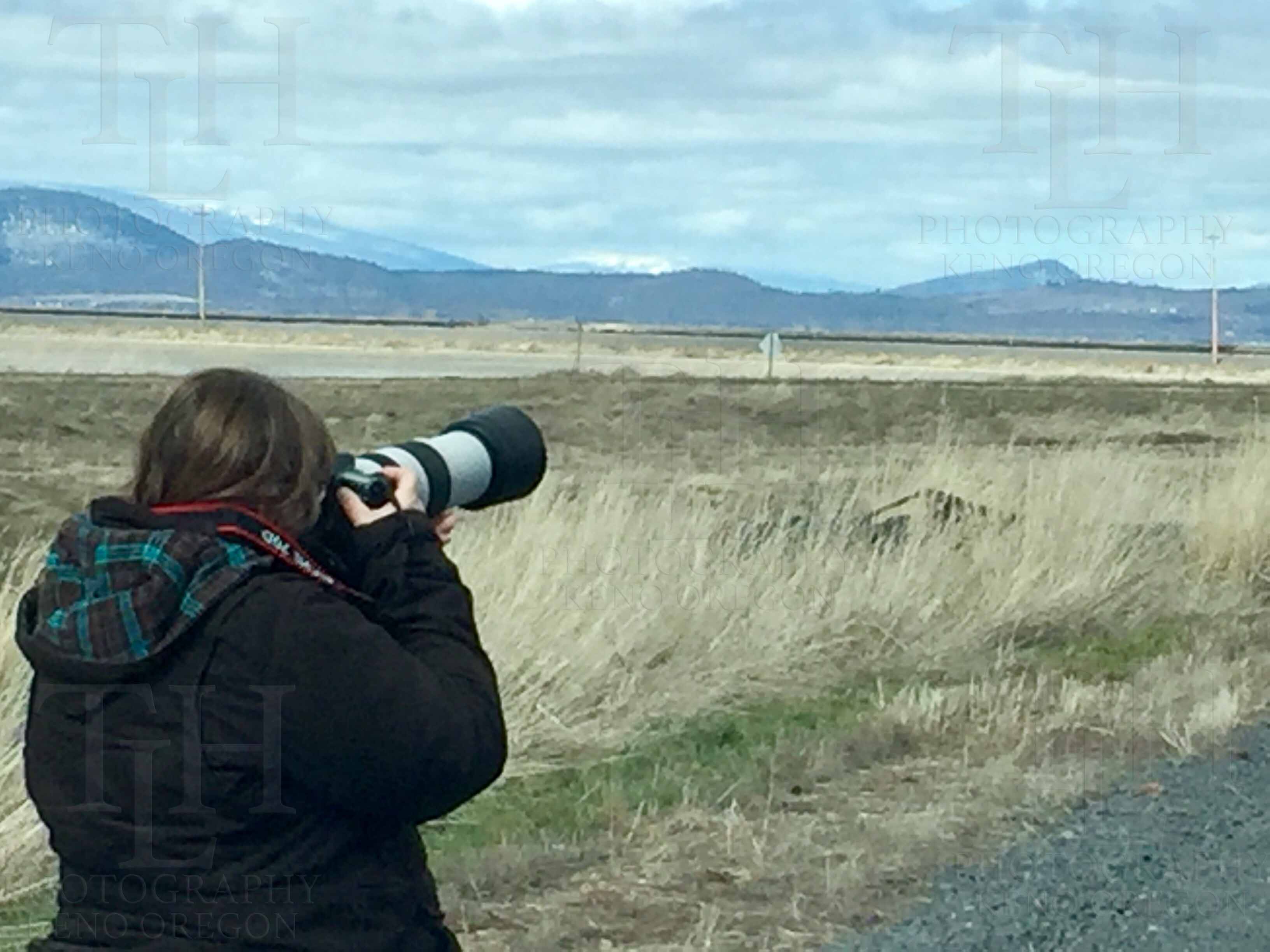 Something new for me to learn in February
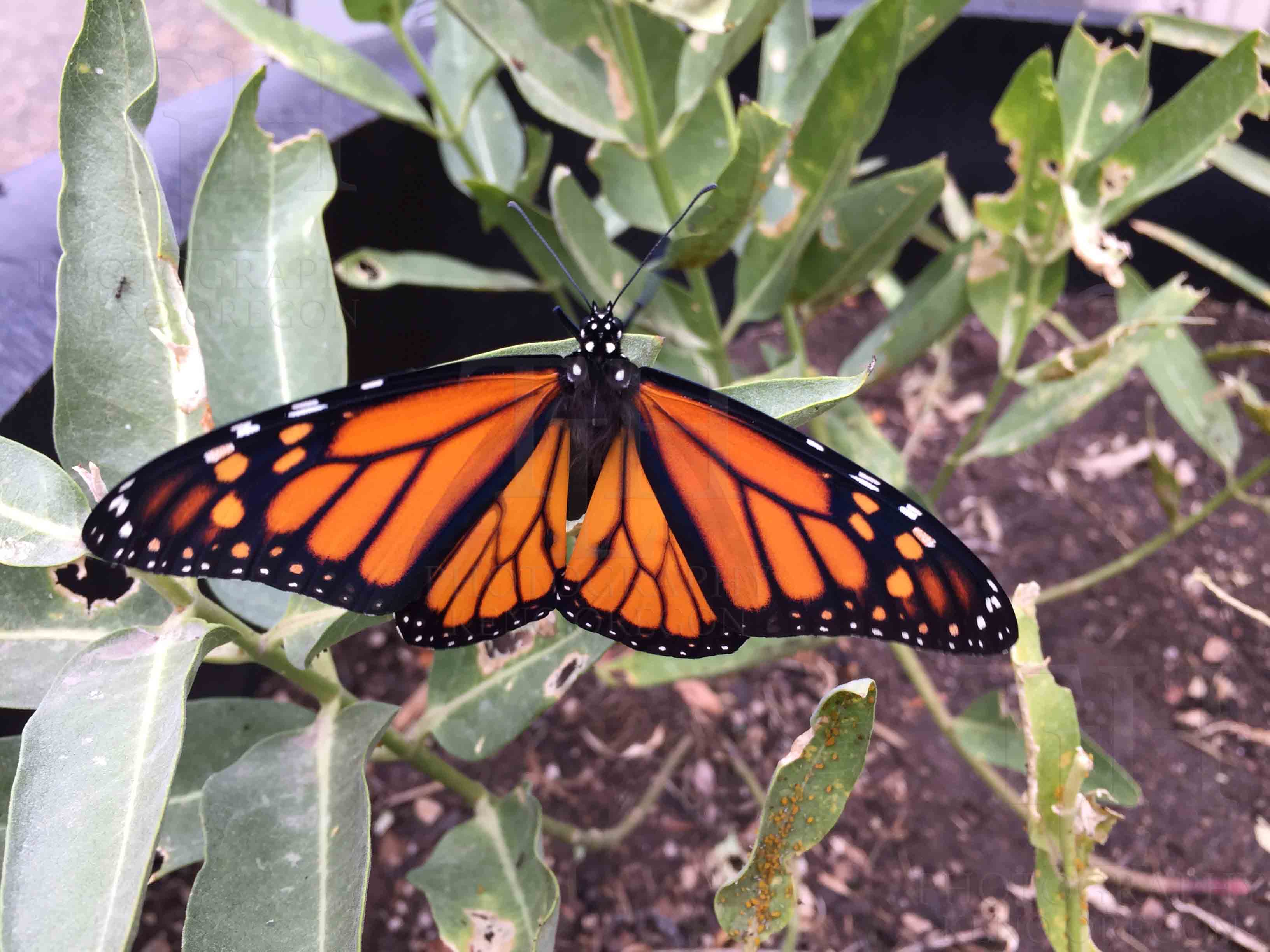
 A hope for spring in March!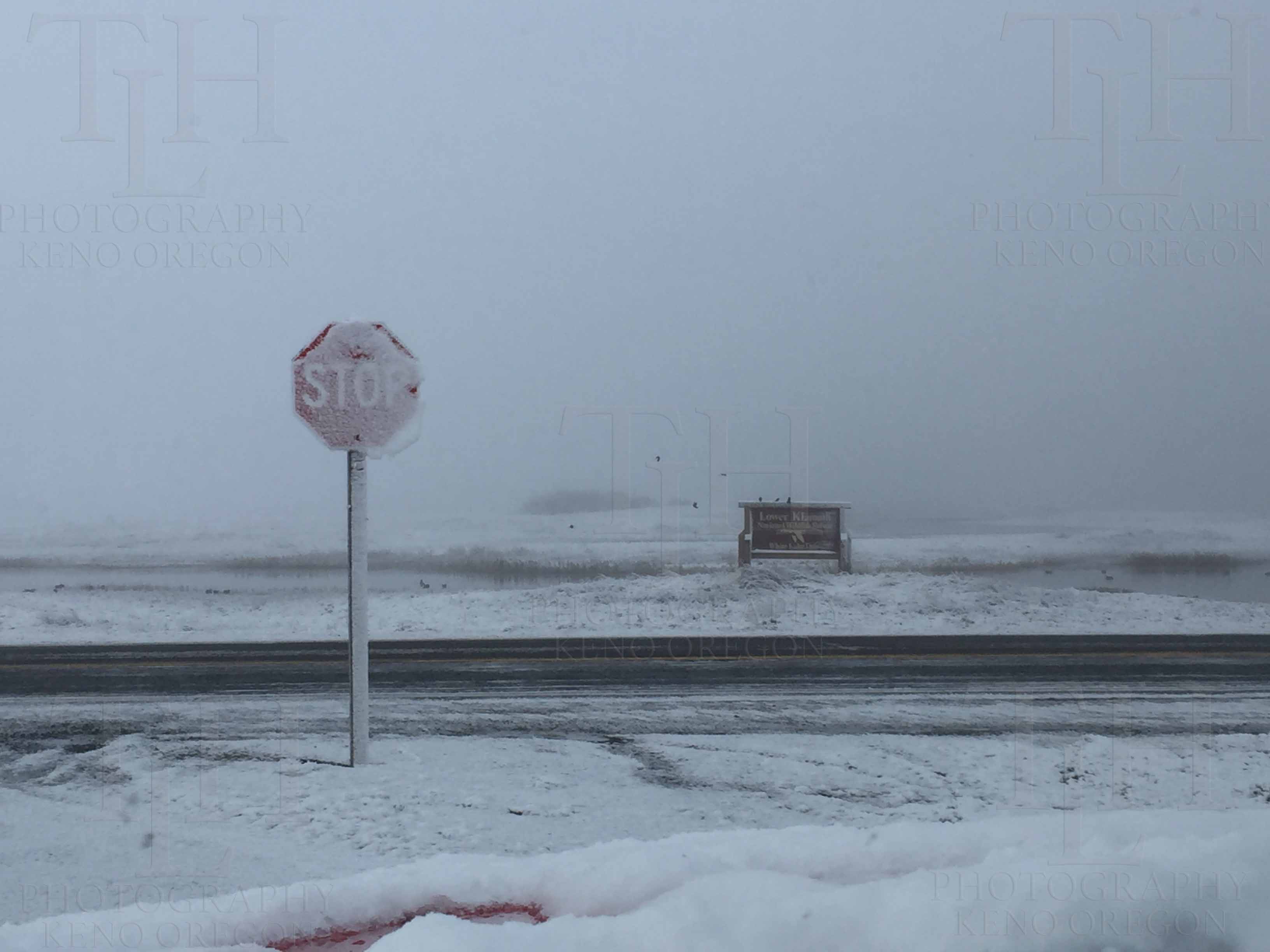

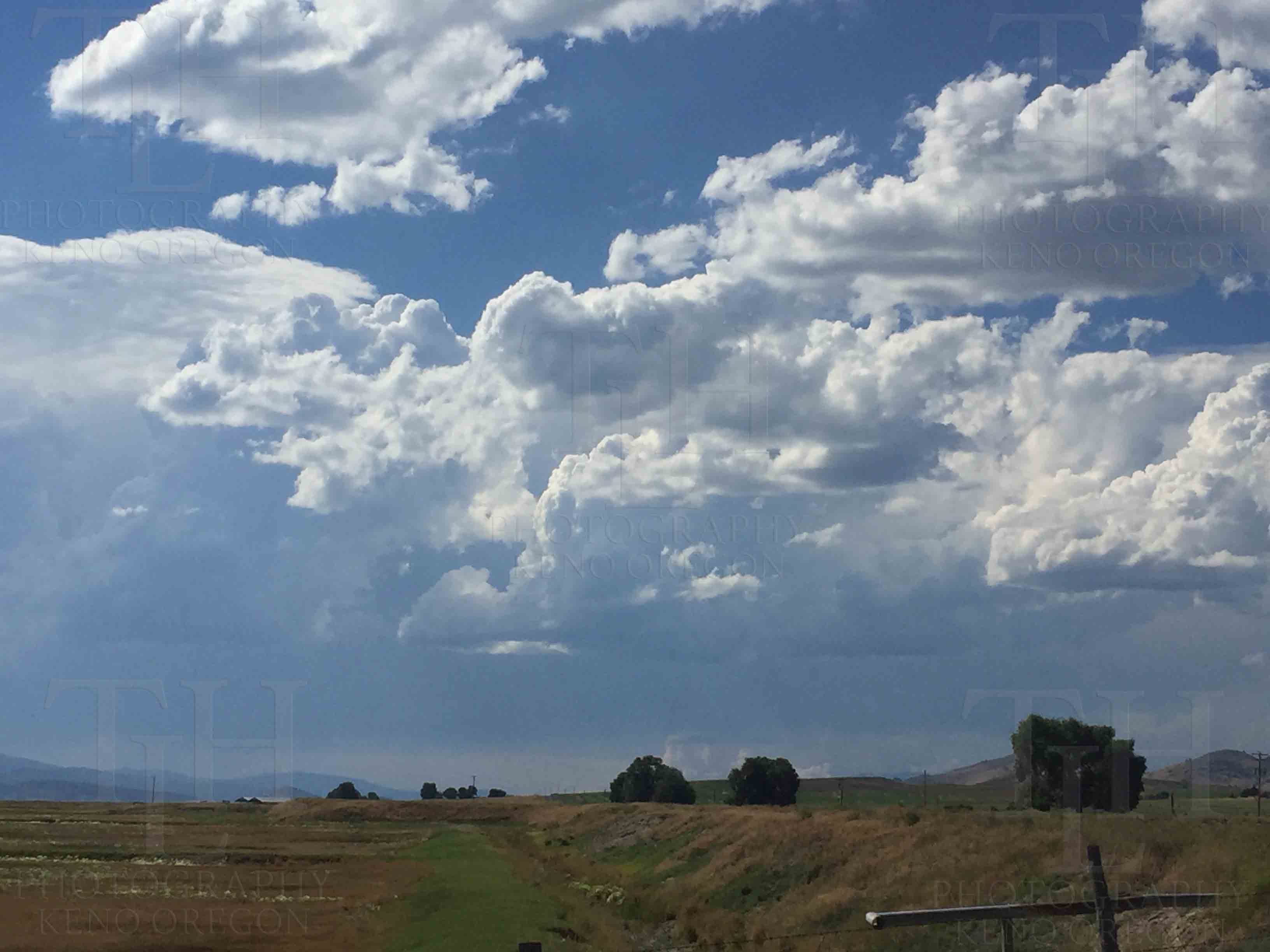
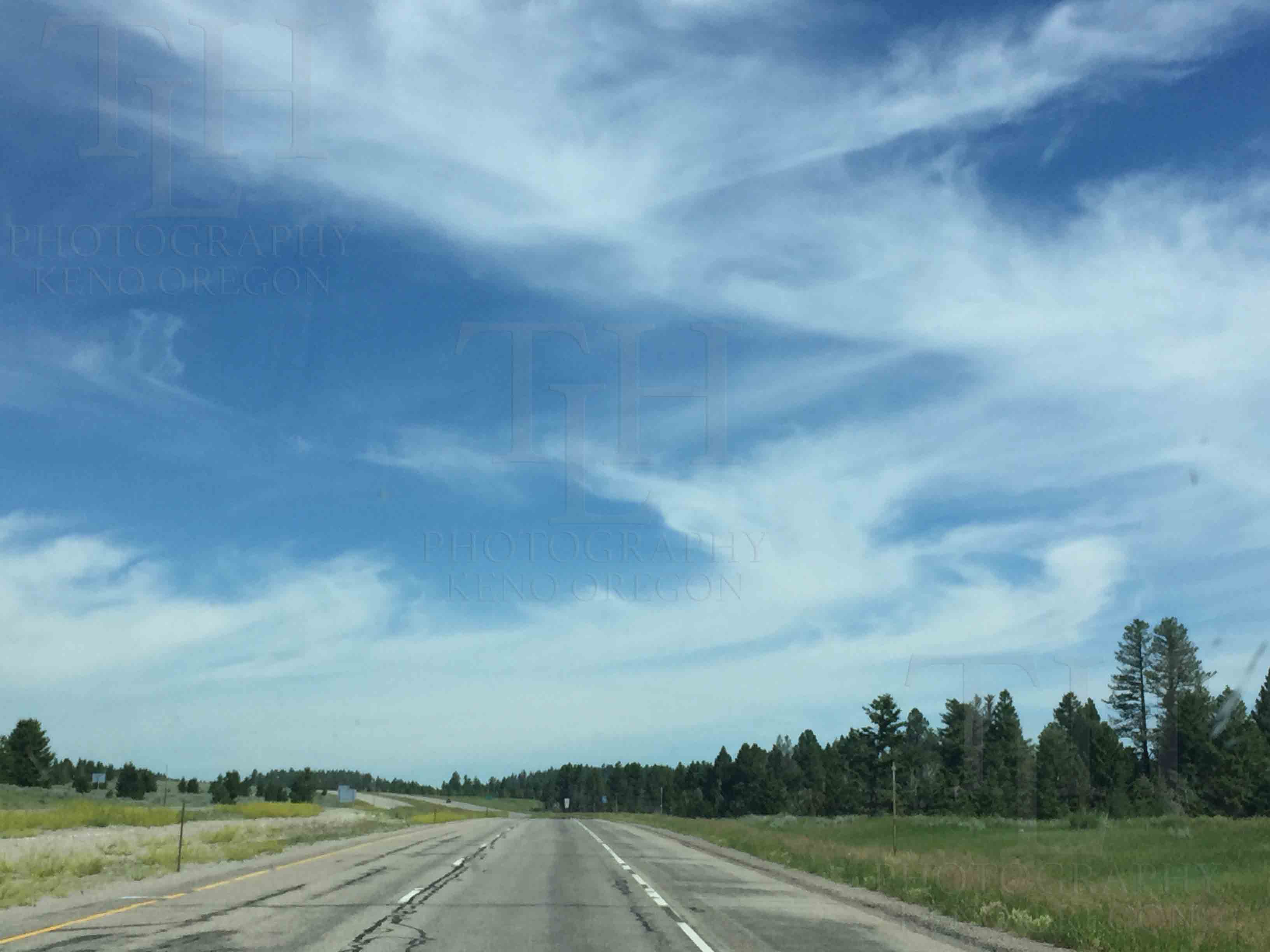 My Montana Sky!



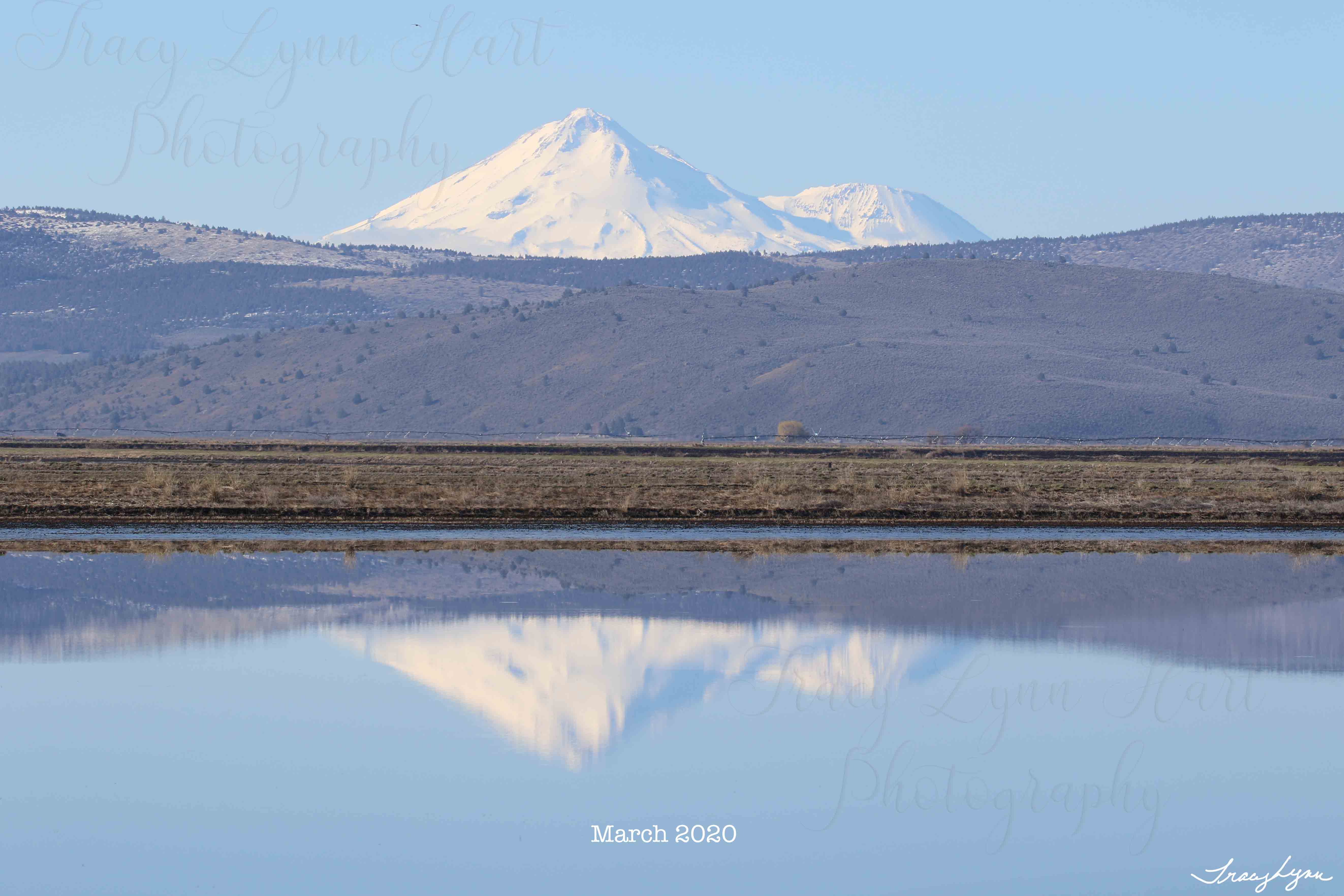
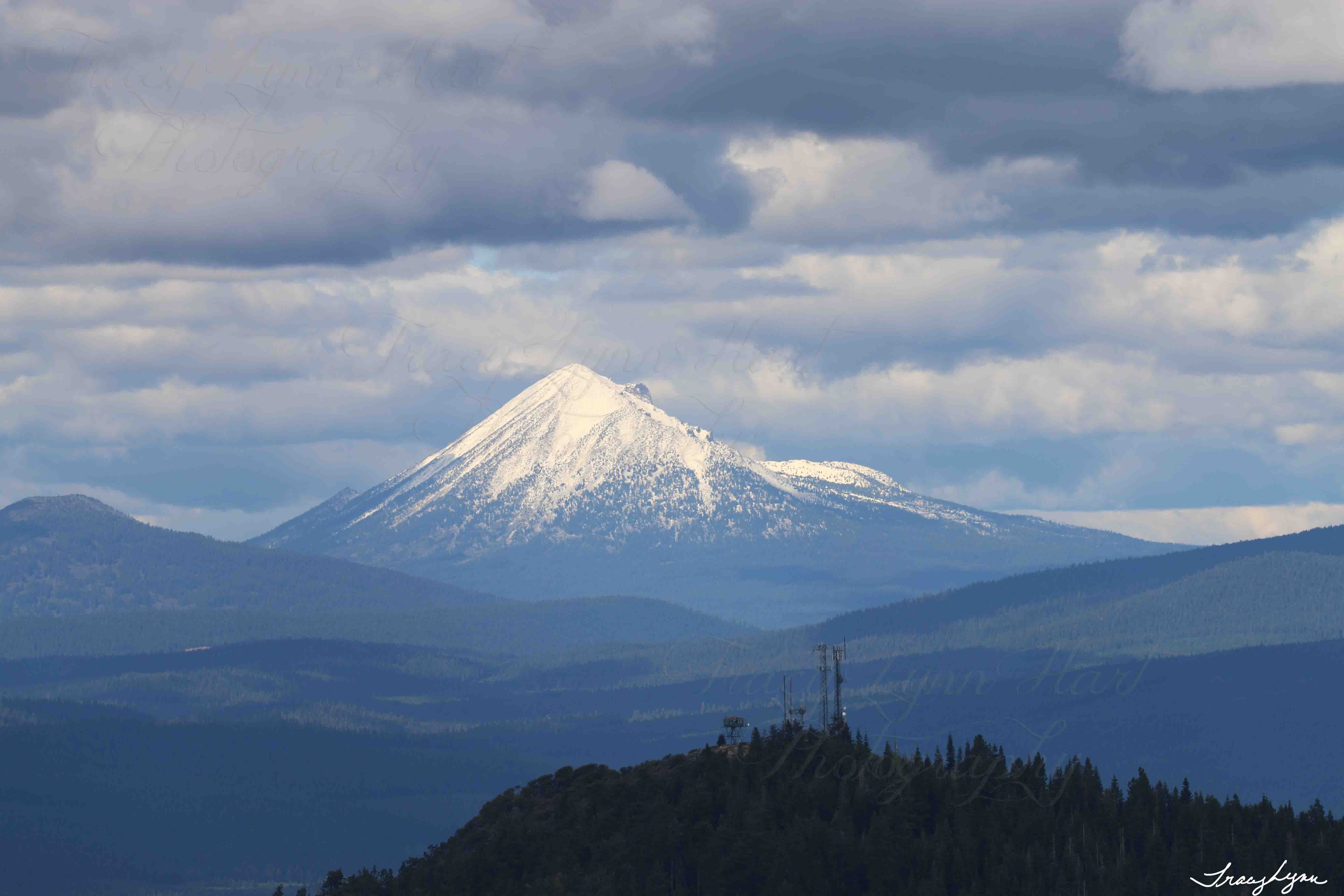 Mt McLoughlin with a fresh blanket of snow!


 tracylynnhartphotography